
Can a Solar Generator Run a Space Heater? The Honest Math
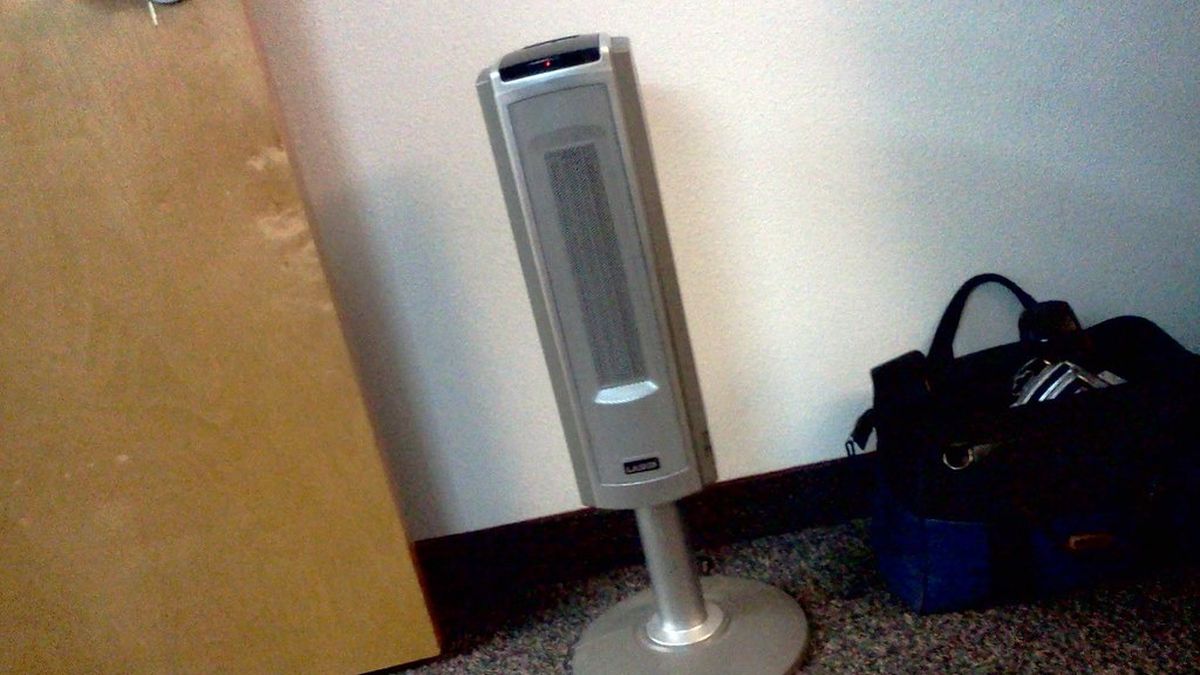
It is one of the most common questions we get every winter: can my solar generator run a space heater? The short answer is yes, briefly. The longer answer is that resistive heating is the most power-hungry thing you can plug into a battery, and there are far better ways to stay warm when the grid is down.
Key takeaways
- A typical space heater draws 1,500W on high and 750W on low.
- A 1,000Wh power station runs it for about 30-35 minutes on high.
- Recharging that hour of heat takes a 400W solar array most of a winter day.
- Heated blankets, insulation and one warm room deliver far more comfort per watt-hour.
The runtime math
Space heaters turn electricity directly into heat, so they draw their full rating whenever the element is on. Most plug-in heaters in the US are capped at 1,500W, the practical maximum for a standard 15A outlet.
| Power station (usable) | High (1,500W) | Low (750W) | Thermostat cycling ~50% on low |
|---|---|---|---|
| 500Wh (~425Wh) | May not start* | ~34 min | ~1.1 hours |
| 1,000Wh (~850Wh) | ~34 min | ~1.1 hours | ~2.3 hours |
| 2,000Wh (~1,700Wh) | ~1.1 hours | ~2.3 hours | ~4.5 hours |
| 3,600Wh (~3,060Wh) | ~2 hours | ~4 hours | ~8 hours |
*Many smaller units have inverters rated below 1,500W and will shut off. If watt-hours versus watts is unclear, read watts vs watt-hours.
Why solar can't keep up
In winter, many US locations get only 2-3 peak sun hours. A 400W portable array, after real-world losses, produces roughly 0.6-1.0 kWh on a clear December day. That is less than one hour of a space heater on high. See why solar panels produce less than their rating for where the losses come from, and check your location with the solar production by location calculator.
Better ways to stay warm on battery power
| Option | Power draw | Runtime on 1,000Wh |
|---|---|---|
| Electric blanket | 50-100W | 8-17 hours |
| Heated mattress pad | 50-150W | 6-17 hours |
| Heated vest or jacket (USB) | 10-20W | 40+ hours |
| 12V heated seat pad | 30-50W | 17-28 hours |
| Space heater (high) | 1,500W | ~34 minutes |
Heating your body instead of the air is 15-30 times more efficient on a battery. Combine it with one small, closed-off room and blankets over windows, and an outage night becomes manageable.
Vans and tiny homes often use diesel air heaters: they burn fuel for heat and draw only about 10-40W of 12V power once running. Install them with an exhaust vented outside and a CO alarm.
When a space heater on battery does make sense
- Taking the chill off a room for 15-20 minutes before bed.
- Short bursts in a bathroom while getting ready.
- Large whole-home battery systems (10 kWh+) that have the capacity to spare.
- Grid-tied solar homes in daylight, when panels produce more than the house uses.
Never leave a space heater running unattended or while sleeping, keep it 3 feet from anything that can burn, and plug it directly into the power station, not into a power strip.
Plan heat into your winter preparation
Heat is the hardest winter load to cover. Our winter power outage checklist explains how to run a gas furnace blower from backup power, the most effective way to keep a whole house warm. If your battery lives in a cold space, read LiFePO4 batteries in cold weather too.
Building off-grid? Our tiny house solar sizing example shows why off-grid homes heat with propane, wood or diesel rather than electricity.
Frequently asked questions
How long will a 2000W solar generator run a space heater?
An inverter rated at 2,000W can start a 1,500W heater, but runtime depends on battery capacity. A 2,000Wh unit gives roughly 1 hour on high or 2 hours on low.
Can I run a space heater on a solar panel directly?
No. A space heater needs steady 120V AC at up to 1,500W. You would need an inverter, a battery and several kilowatts of panels to run it from solar.
What is the most efficient way to heat with a battery?
Heat your body, not the room: electric blankets, heated mattress pads and heated clothing use 10-150W instead of 1,500W.
See exactly how long your battery lasts
Enter the heater's wattage and your battery capacity.
Keep reading

Winter Power Outage Checklist: Stay Warm, Fed and Connected
Winter outages last longer and the cold makes them dangerous. Use this checklist to prepare heat, food, water and backup power before the next ice storm.
Read more
Watts vs Watt-Hours: The Difference That Decides What You Can Run
Every power station lists two numbers that people mix up. Once you know the difference between watts and watt-hours, sizing a battery takes one line of math.
Read more
LiFePO4 Batteries in Cold Weather: Charging Below Freezing
Lithium iron phosphate is the best battery chemistry for solar, with one big caveat: cold charging. Here is what happens below freezing and how to work around it.
Read more
Tiny House Solar System Sizing: A Complete Worked Example
We size a full off-grid system for a typical tiny house, from the appliance list to the battery bank, so you can repeat the process with your own numbers.
Read more