
Watts vs Watt-Hours: The Difference That Decides What You Can Run
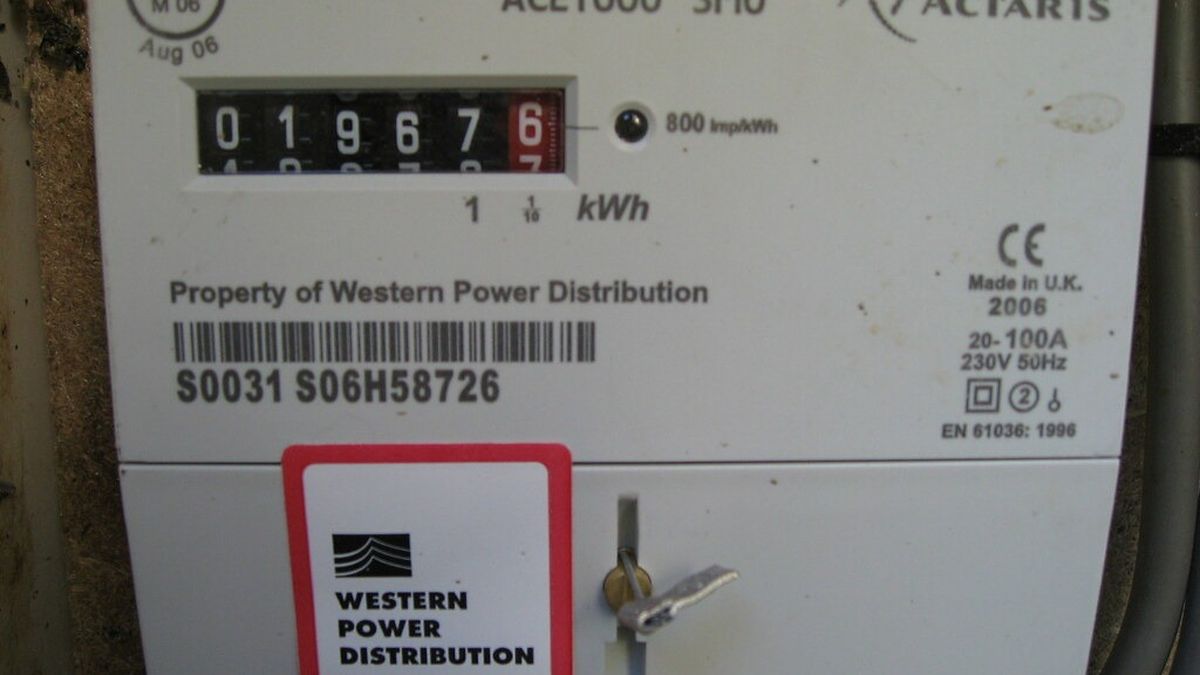
Every power station spec sheet lists two headline numbers, something like "1,800W" and "1,024Wh", and mixing them up is the single most common reason people buy the wrong size. One tells you what you can run. The other tells you for how long. Once the difference clicks, sizing a battery takes one line of math.
Key takeaways
- Watts (W) measure the rate of power: how much a device draws right now.
- Watt-hours (Wh) measure energy: how much is stored in the battery.
- Runtime ≈ battery Wh × 0.85 ÷ device watts.
- Amp-hours × volts = watt-hours. Always convert to Wh to compare batteries.
The car analogy
Think of a car. Horsepower is how hard the engine can push right now. Fuel tank size is how far you can go. A power station's watt rating is its horsepower: the most it can deliver at once. Its watt-hour rating is the fuel tank.
| Spec | Unit | Answers the question | Power station example |
|---|---|---|---|
| Output / inverter rating | Watts (W) | Can it run my device at all? | 1,800W continuous, 3,600W surge |
| Capacity | Watt-hours (Wh) | For how long? | 1,024Wh |
| Your electric bill | Kilowatt-hours (kWh) | How much energy did I use? | 1 kWh = 1,000Wh |
A big inverter with a small battery runs a microwave, but only for a few minutes. A big battery with a small inverter runs a laptop for days but cannot start a kettle. You need both numbers to be big enough.
The one-line runtime formula
Runtime (hours) = battery Wh × 0.85 ÷ load in watts
The 0.85 accounts for inverter and conversion losses when you run AC devices. For DC loads such as USB-C or 12V outputs, use about 0.9.
| Device | Watts | On a 1,000Wh station |
|---|---|---|
| Phone charging | 15W | ~57 hours of charging (≈ 50+ full charges) |
| Laptop | 60W | ~14 hours |
| CPAP (no humidifier) | 40W | ~21 hours |
| Refrigerator (average) | 60W avg | ~14 hours |
| TV | 100W | ~8.5 hours |
| Microwave | 1,500W input | ~34 minutes |
| Space heater | 1,500W | ~34 minutes |
Notice the fridge uses an average figure: it cycles on and off, so its 150W running draw averages closer to 50-80W over a day. That is why measuring daily energy (Wh per day) beats reading the nameplate. The daily energy use calculator does this for a whole list of appliances, and how long a power station runs a chest freezer shows a worked example.
Converting amp-hours and mAh to watt-hours
Batteries are often rated in amp-hours (Ah) or milliamp-hours (mAh). Those numbers are meaningless without the voltage.
Wh = Ah × volts and Wh = mAh × volts ÷ 1,000
- A 100Ah 12V LiFePO4 battery (12.8V nominal) = 1,280Wh.
- A 100Ah 24V battery = 2,560Wh, twice the energy for the same Ah.
- A 20,000mAh power bank (3.7V cells) = 74Wh.
Airline rules use watt-hours: batteries up to 100Wh are generally allowed in carry-on bags, 100-160Wh need airline approval, and larger batteries are not allowed. Most power stations are well over 160Wh.
Comparing a lead-acid battery with lithium? Usable capacity differs too. Lead-acid should only be discharged to about 50%, while LiFePO4 can safely use 80-100%. The lead-acid vs lithium runtime calculator shows the difference.
Where watts and watt-hours show up in solar
Solar panels are rated in watts, which is their power output under lab conditions. What you actually care about is watt-hours per day, which depends on sun hours and losses:
Daily solar energy ≈ panel watts × peak sun hours × 0.75
A 200W panel in 5 peak sun hours gives roughly 750Wh per day, not 1,000Wh. We explain the 0.75 in why solar panels produce less than their rated watts.
Watch for startup surge
One complication: motors briefly draw several times their running watts when they start. A fridge that runs at 150W can need 1,000W+ for a split second. That is a watts problem, not a watt-hours problem, so a large battery does not help if the inverter is too small. See surge watts vs running watts.
Keeping a power station healthy so it delivers its full rated Wh for years is covered in how to store and maintain a power station.
Frequently asked questions
Is 1000Wh the same as 1000W?
No. 1,000Wh is how much energy the battery stores; 1,000W is how fast power is being used or delivered. A 1,000Wh battery can supply 1,000W for about one hour, or 100W for about ten hours, minus losses.
How many watt-hours do I need?
Add up each device's watts × hours used per day, then divide by 0.85 for losses. That is the minimum battery size for one day without recharging.
How do I convert amp-hours to watt-hours?
Multiply amp-hours by the battery voltage. A 50Ah battery at 12.8V holds 640Wh.
Do the math for your devices
Enter your appliances and get daily watt-hours and battery size.
Keep reading
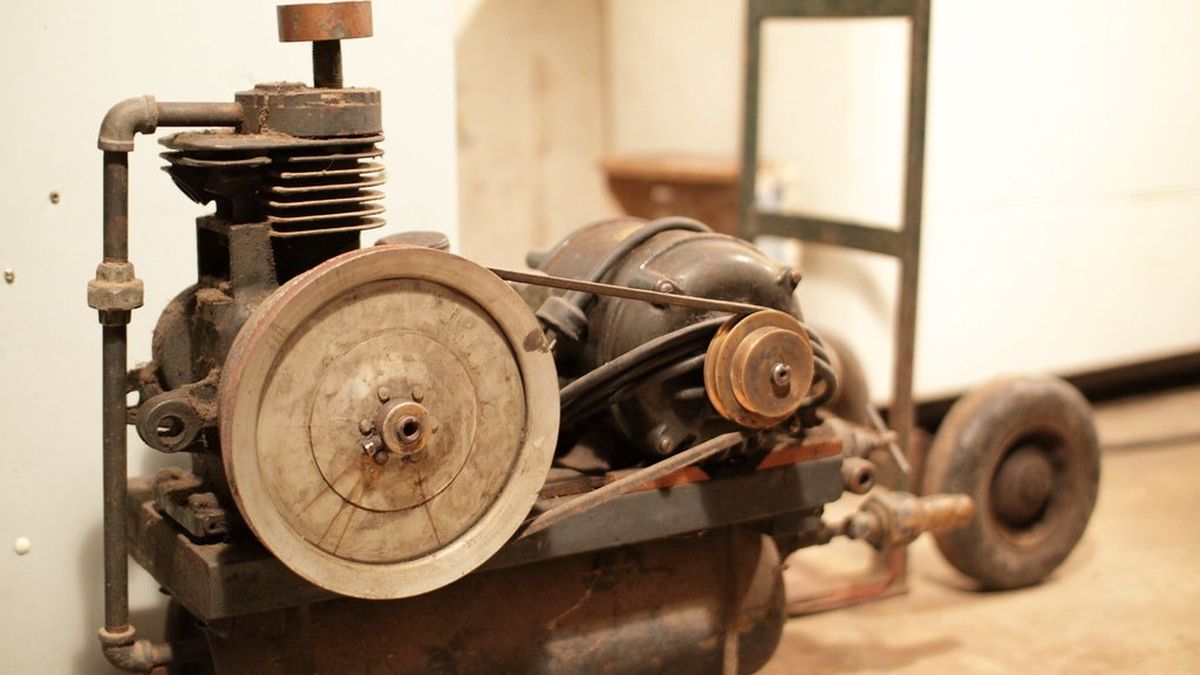
Surge Watts vs Running Watts: Why Your Inverter Trips
Your fridge uses 150 watts, so why does it trip a 600W inverter? Startup surge explained, with a table of real appliances and how to size around it.
Read more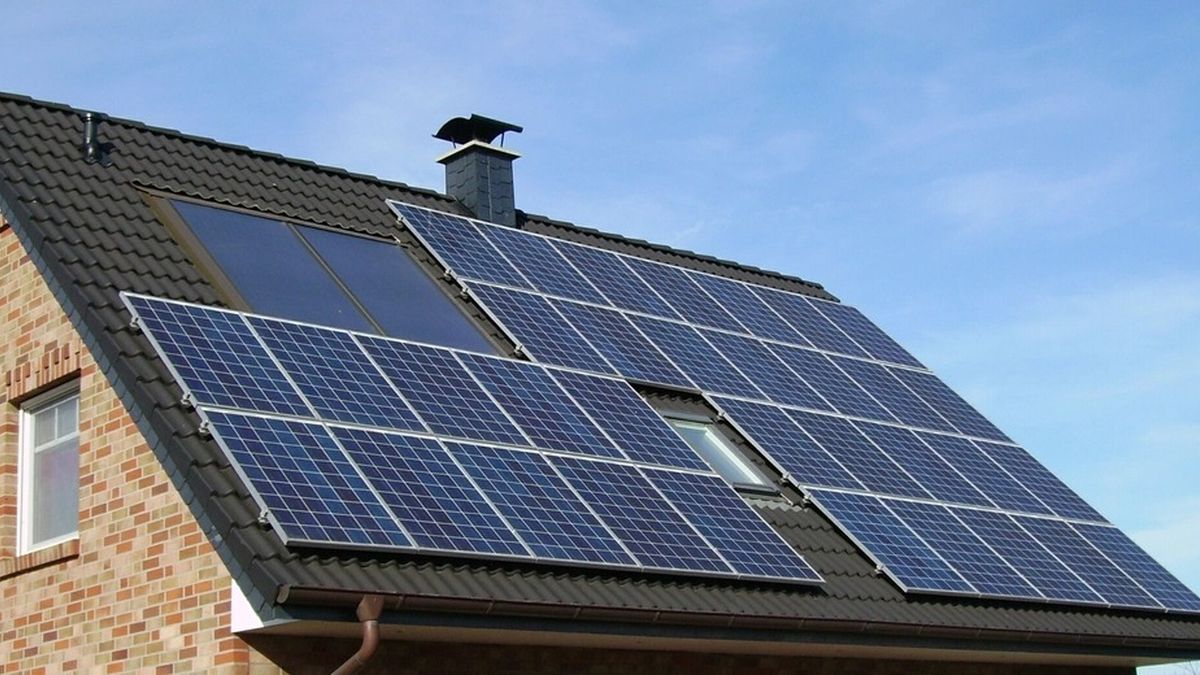
Why Your Solar Panel Produces Less Than Its Rated Watts
Seeing 70W from a 100W panel is normal, not a fault. Here is where the missing watts go and the number to plan with instead of the label.
Read more
How to Store and Maintain a Portable Power Station
A power station that sits in a closet between storms needs a little care. Storage charge, temperature and top-up schedules that protect the battery.
Read more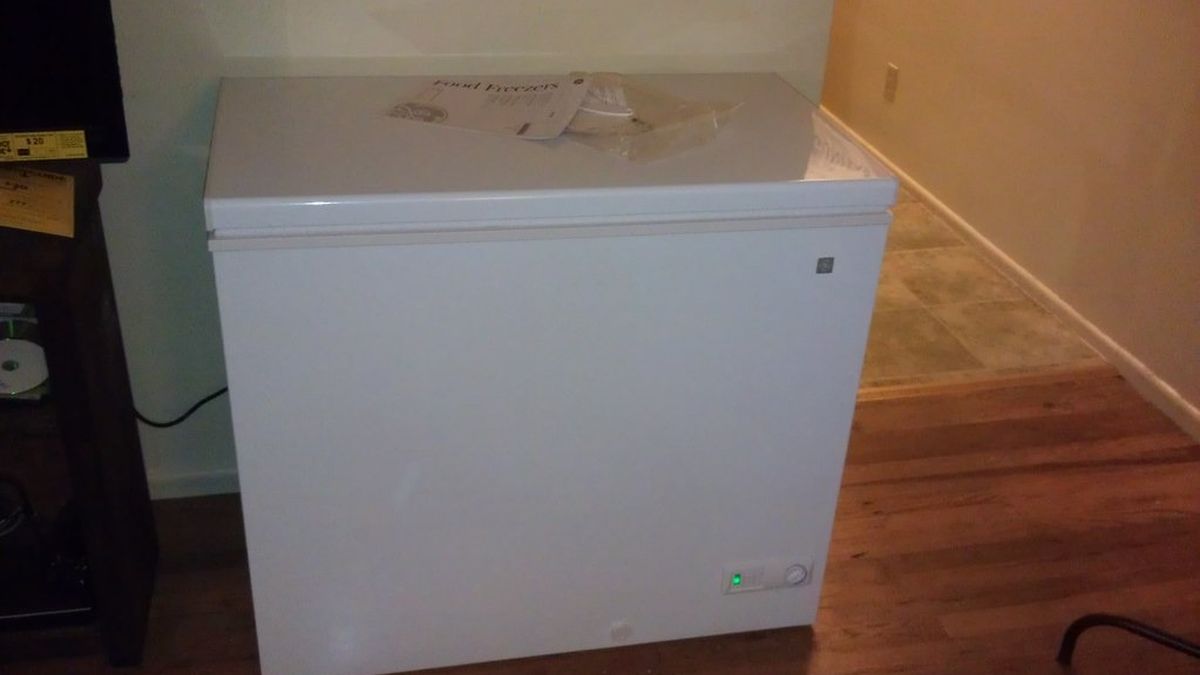
How Long Will a Power Station Run a Chest Freezer?
A modern chest freezer uses less power than most people expect. We work out runtimes for common power station sizes and show how to make one battery last days.
Read more