
How to Store and Maintain a Portable Power Station
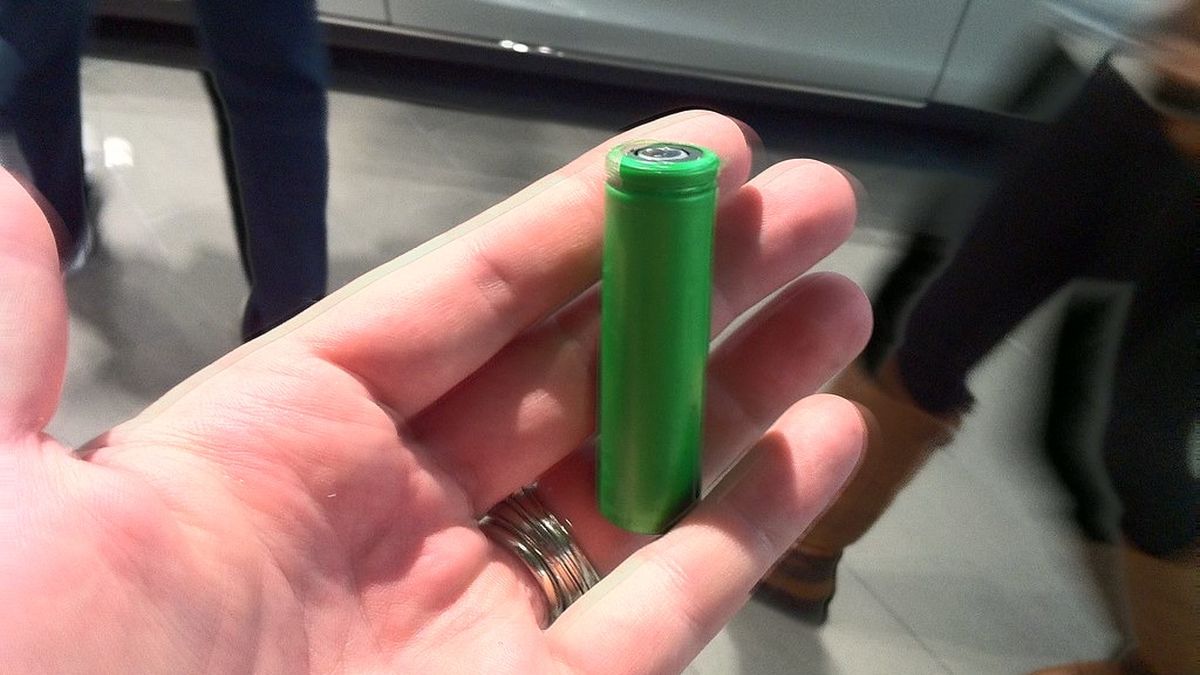
Most home backup power stations spend months in a closet between storms. A modern LiFePO4 power station can last a decade or more, but only if it is stored at the right charge, kept at sensible temperatures and checked occasionally. These are the habits that protect your investment, and make sure it works when you need it.
Key takeaways
- For long-term storage, keep the charge around 50-60%, unless your manual says otherwise.
- Check and top up every 3 months. Never let it sit empty.
- Store between 59-77°F (15-25°C), and never leave it in a hot car.
- Charge to 100% before storm season or a forecast outage.
The right storage charge
Lithium batteries age fastest when they sit at full charge in heat, and they can be damaged if they drain to zero and stay there. The middle is the comfortable spot. Most manufacturers recommend storing at roughly 50-60%.
That conflicts with being ready for an outage, so there are two sensible approaches:
- Seasonal: store at about 60% in the off-season, and charge to 100% at the start of storm or winter season.
- Always ready: keep it plugged in with a charge limit of 80-90% if the unit supports it, and raise it to 100% when an outage is forecast.
If you use the station as an always-on UPS, see pass-through charging and UPS mode for how to keep battery wear low.
Self-discharge and top-ups
LiFePO4 cells themselves lose only a few percent per month, but a power station's electronics, such as the BMS, display standby and wireless modules, draw a little extra. Real-world loss is typically 1-5% per month when the unit is switched fully off.
- Turn the unit fully off, including Wi-Fi/Bluetooth, before storing.
- Set a reminder every 3 months to check the charge.
- Top up to your storage level if it has dropped below about 30%.
Do not store a power station fully discharged. If the battery drains below the BMS cutoff, some units refuse to charge again without service.
Temperature
| Condition | Range | Notes |
|---|---|---|
| Ideal storage | 59-77°F (15-25°C) | A closet in the living space is perfect |
| Acceptable storage | 14-113°F (-10-45°C) | Check your manual's limits |
| Charging | 32-104°F (0-40°C) | No charging below freezing |
| Avoid | Hot cars, attics, direct sun | Car interiors can exceed 140°F (60°C) |
Garages are the most common mistake: hot in summer, freezing in winter. If yours lives in a garage, bring it inside for charging in winter. Our LiFePO4 cold weather guide explains why.
Exercise it a few times a year
Every 3-6 months, use the station: run a lamp or a fridge down to about 30%, then recharge fully. This confirms everything works, calibrates the battery gauge, and gets you familiar with it before an emergency. It is also a good moment to:
- Install firmware updates through the app, as they often improve charging and BMS behavior.
- Blow dust out of vents and check fans spin freely.
- Inspect cables, solar connectors and the AC charging cord for damage.
- Test solar charging so you know your panels and cables still work. See portable solar panel buying guide for connector types.
How long will it last?
LiFePO4 power stations are commonly rated for 3,000+ cycles to 80% capacity. Even with a full cycle every week, that is over 50 years of cycles, so in practice calendar aging, from time, heat and storage charge, sets the lifespan, typically 10-15 years with good care. Older NMC lithium-ion units (often rated 500-1,000 cycles) are more sensitive to heat and full-charge storage.
See how depth of discharge and cycles affect cost per kWh with the battery DoD degradation calculator and battery lifetime cost calculator, and the battery capacity fade calculator for expected capacity over time.
Safety and end of life
- Store on a hard, non-flammable surface away from heat sources and clutter.
- Stop using any unit that is swollen, smells unusual, hisses or has been dropped hard or soaked.
- Recycle through a battery recycling program or the manufacturer. Do not put lithium batteries in household trash.
Charging on the road between uses? See charging a power station from your car. New to the specs? Start with watts vs watt-hours and our battery technology explainer.
Frequently asked questions
Should I keep my power station plugged in all the time?
It is fine if it has a bypass/UPS mode and ideally a charge limit around 80-90%. Otherwise, store it at about 60% and top it up every few months.
How often should I charge a power station in storage?
Check it every 3 months and top it up if it has dropped below about 30%. Charge to 100% before storm season.
Can I store a power station in the garage?
Only if the garage stays roughly between 14°F and 104°F, and never charge it below freezing. A closet inside the house is better.
Understand your battery's lifespan
See how cycles, depth of discharge and age affect capacity and cost.
Keep reading

LiFePO4 Batteries in Cold Weather: Charging Below Freezing
Lithium iron phosphate is the best battery chemistry for solar, with one big caveat: cold charging. Here is what happens below freezing and how to work around it.
Read more
Pass-Through Charging and UPS Mode: Can a Power Station Replace a UPS?
Many power stations advertise UPS mode. Whether it protects a desktop PC, a NAS or a CPAP depends on switchover time and how the unit routes power.
Read more
Watts vs Watt-Hours: The Difference That Decides What You Can Run
Every power station lists two numbers that people mix up. Once you know the difference between watts and watt-hours, sizing a battery takes one line of math.
Read more
Charging a Power Station From Your Car: 12V Socket vs Alternator Charger
Charging while you drive sounds free. Through a cigarette-lighter socket it is painfully slow. Here is the math, and the faster wired alternative.
Read more