
Portable Solar Panel Buying Guide: Folding vs Rigid and What Specs Matter
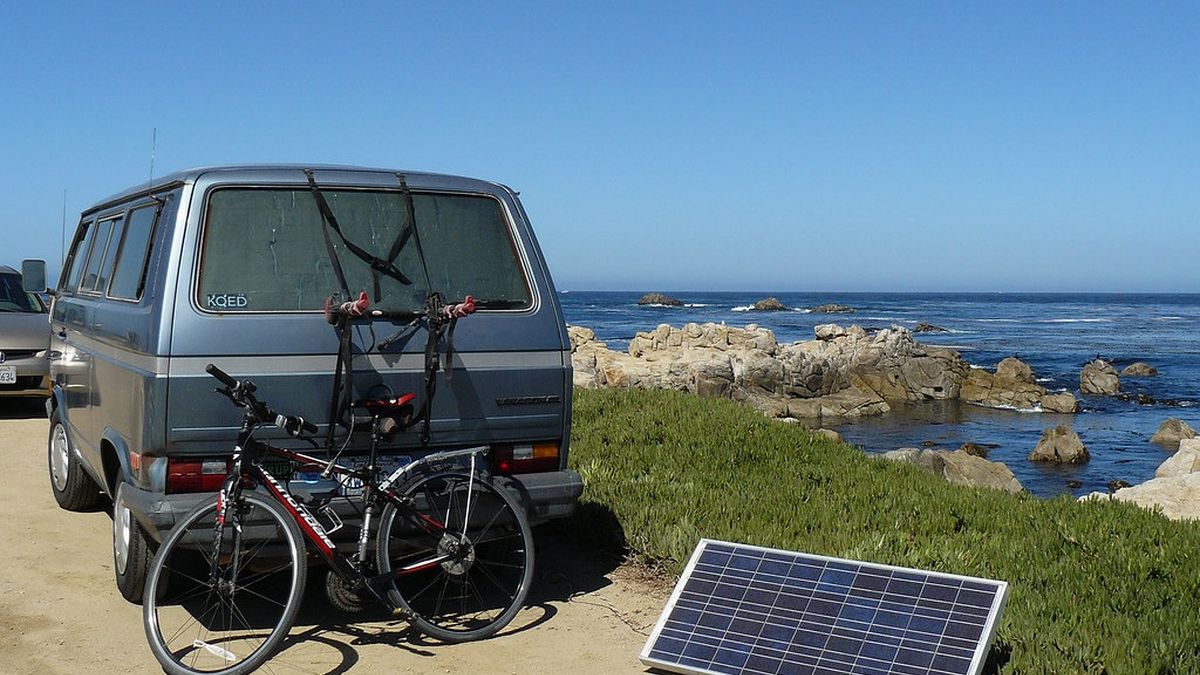
A portable solar panel turns a power station from a battery that runs down into a system that keeps going. But panels vary hugely in weight, durability and, critically, whether they will even plug into your power station. Here is how to choose one, and how many watts you actually need.
Key takeaways
- Size panels so they can refill your power station in one day: panel watts ≈ station Wh ÷ (sun hours × 0.7).
- Check your power station's solar input voltage and current limits before buying.
- Folding panels are lighter and easier to carry; rigid panels are cheaper per watt and more durable.
- MC4 connectors are the most universal. Adapters handle the rest.
How many watts do you need?
Work backward from the battery. To refill a power station in a single day of good sun:
Panel watts ≈ battery Wh ÷ (peak sun hours × 0.7)
The 0.7 covers the real-world losses we explain in why solar panels produce less than rated, plus imperfect aiming.
| Power station | 5 sun hours (summer) | 3 sun hours (winter/cloudy) |
|---|---|---|
| 300Wh | ~100W | ~150W |
| 500Wh | ~150W | ~250W |
| 1,000Wh | ~300W | ~500W |
| 2,000Wh | ~600W | ~1,000W |
You do not always need a full refill. If you use 400Wh a day, size the panel for 400Wh. The solar array sizing calculator and charge time calculator work it out for your setup.
Match the panel to your power station
This is where most buying mistakes happen. Every power station lists a solar input range, such as "12-60V, 10A, 200W max". Check three things:
- Voltage: the panel's open-circuit voltage (Voc), or the combined Voc of panels in series, must stay inside the input range, including on cold mornings when Voc rises.
- Current: panels in parallel add their current. Exceed the input current and the station simply caps it, which is safe but wasted.
- Watts: extra panel wattage beyond the input limit is clipped. A little oversizing helps on cloudy days; a lot is wasted money.
Example: two 100W panels with a Voc of 22V each. In series: 44V at about 5.5A, fine for a 12-60V input. In parallel: 22V at about 11A, which may exceed a 10A limit. Check yours with the PV string voltage calculator.
Exceeding a power station's maximum input voltage can permanently damage it, and is usually not covered by warranty.
Folding vs rigid panels
| Folding (briefcase/blanket) | Rigid (framed glass) | |
|---|---|---|
| Weight per 100W | ~4-5 kg (9-11 lb) | ~6-8 kg (13-17 lb) |
| Cost per watt | Higher | Lower |
| Durability | Good; fabric and laminate wear over years | Excellent; 25-year rated |
| Setup | Kickstands, fast | Needs a stand or mount |
| Best for | Camping, hiking, quick deployment | Semi-permanent setups, RV roofs, home backup |
Many home-backup users buy rigid residential panels for value and lay them on a simple ground frame during outages. Campers and van owners usually pay more for folding panels they can move to chase the sun. For roof-mounted systems, see our RV solar installation guide.
Specs that matter (and some that do not)
- Cell type: monocrystalline is standard now, typically 21-24% efficient. Higher efficiency means smaller and lighter for the same watts, not more energy per rated watt. See monocrystalline vs polycrystalline.
- Surface laminate: ETFE coatings handle heat and UV better than cheaper PET.
- Weather rating: IP65 or better for the panel and junction box. Most panels are water resistant, not designed to sit in puddles.
- Connectors: MC4 is the universal standard. Power stations use XT60, Anderson, DC7909, DC8020 and others. Good panels include adapters; otherwise buy a quality adapter cable.
- Cable length: a long, thin extension costs watts. Use 10-12 AWG for runs over 15 feet. The cable length power loss calculator shows the loss.
- Built-in USB ports: handy for phones, but they share the panel's output.
Getting the most from a portable panel
- Aim directly at the sun and re-aim every 2-3 hours. That alone can add 20-30% per day.
- Keep the panel off hot ground. Air circulation keeps cells cooler and more efficient.
- Avoid even partial shade. One shaded section can cut output dramatically. Try the shading impact calculator.
- Leave the power station in the shade while the panel sits in the sun.
Your power station already has an MPPT controller built in. If you build a DIY battery system instead, read MPPT vs PWM. For days on the road, combine solar with charging from your car to keep a 12V fridge running. Browse solar panels when you are ready.
Frequently asked questions
What size solar panel do I need for a 1000Wh power station?
About 300W to refill it in a day of good summer sun (5 peak sun hours), or 400-500W for winter and cloudy conditions.
Can I use any solar panel with my power station?
Only if the panel's voltage and current fall within the station's solar input limits and you have the right connector or adapter.
Are folding solar panels worth it?
For camping and frequent moving, yes: they are lighter and quicker to set up. For semi-permanent home backup, rigid panels give more watts per dollar and last longer.
How long will your panels take?
Enter your panel watts and battery size to see charge time.
Keep reading
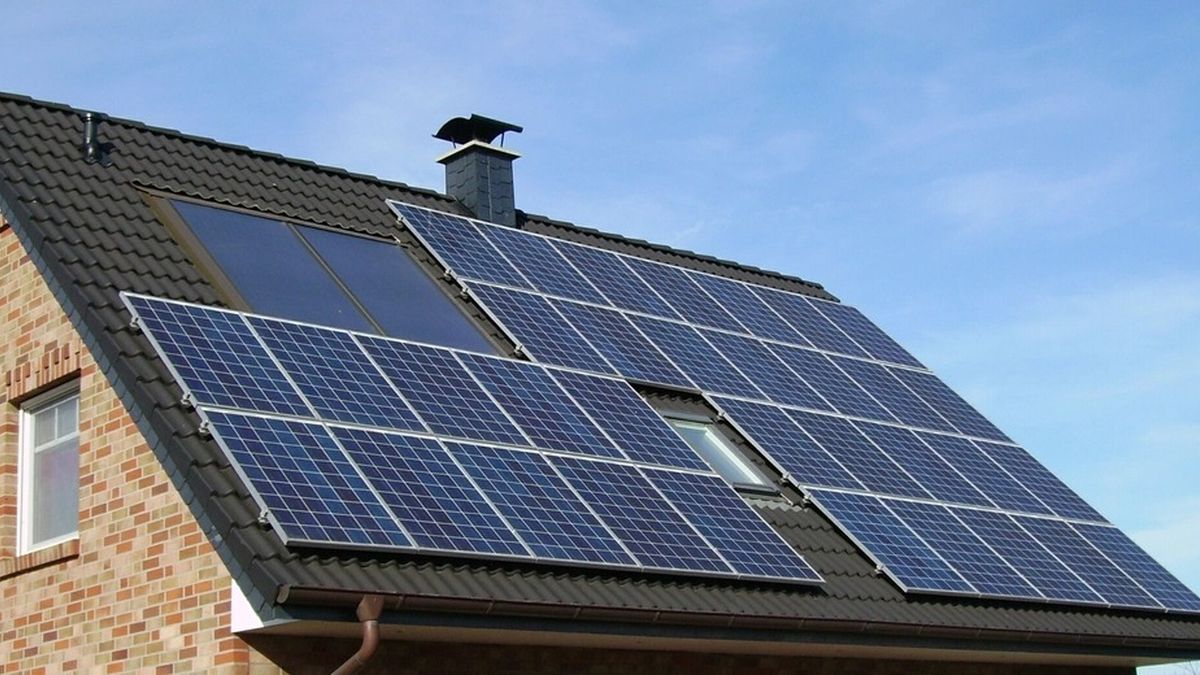
Why Your Solar Panel Produces Less Than Its Rated Watts
Seeing 70W from a 100W panel is normal, not a fault. Here is where the missing watts go and the number to plan with instead of the label.
Read more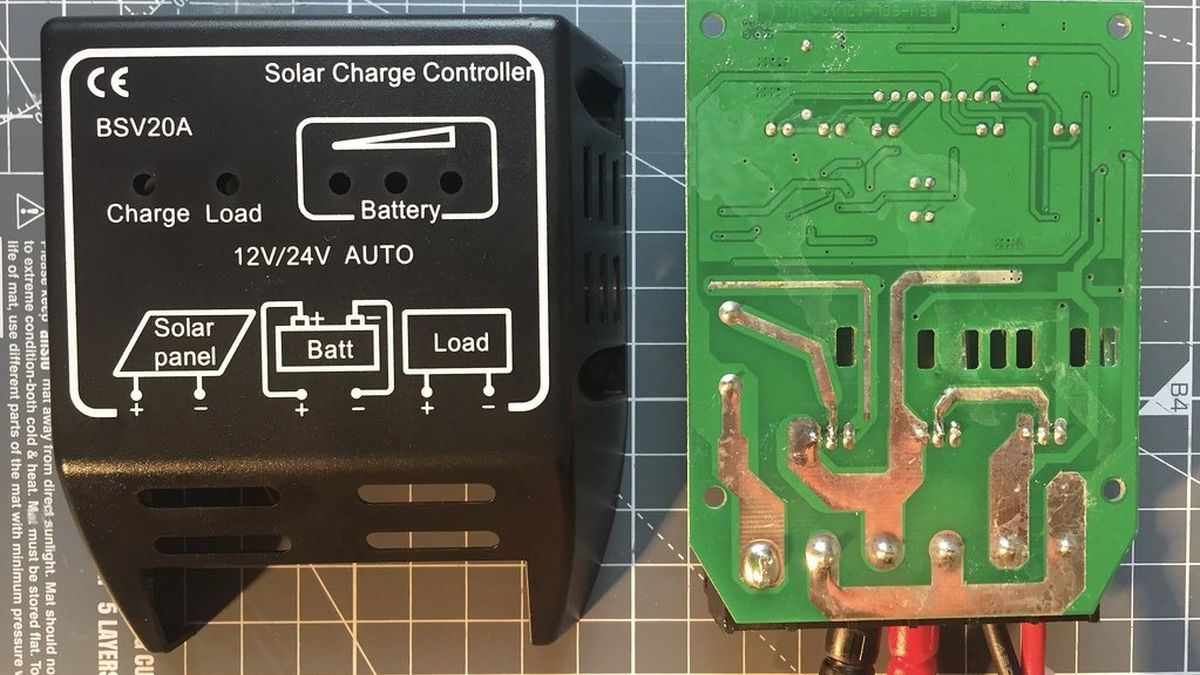
MPPT vs PWM Charge Controllers: Is MPPT Worth the Money?
A PWM controller can throw away a quarter of your panel output. We show the math for a 100W panel and explain when the cheaper controller is still the right call.
Read more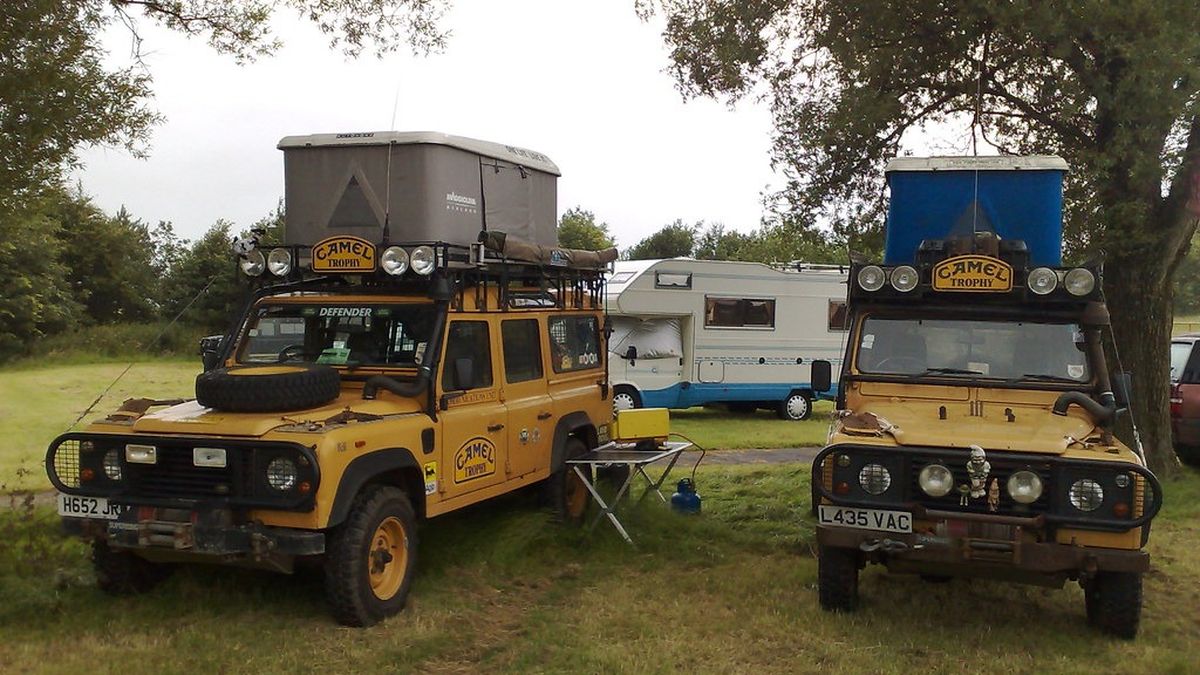
Charging a Power Station From Your Car: 12V Socket vs Alternator Charger
Charging while you drive sounds free. Through a cigarette-lighter socket it is painfully slow. Here is the math, and the faster wired alternative.
Read more
Powering a 12V Fridge Off-Grid: Battery and Solar Sizing
A compressor fridge is the biggest daily load in most camper and overland setups. Real consumption figures and a sizing method that keeps food cold.
Read more