
Why Your Solar Panel Produces Less Than Its Rated Watts
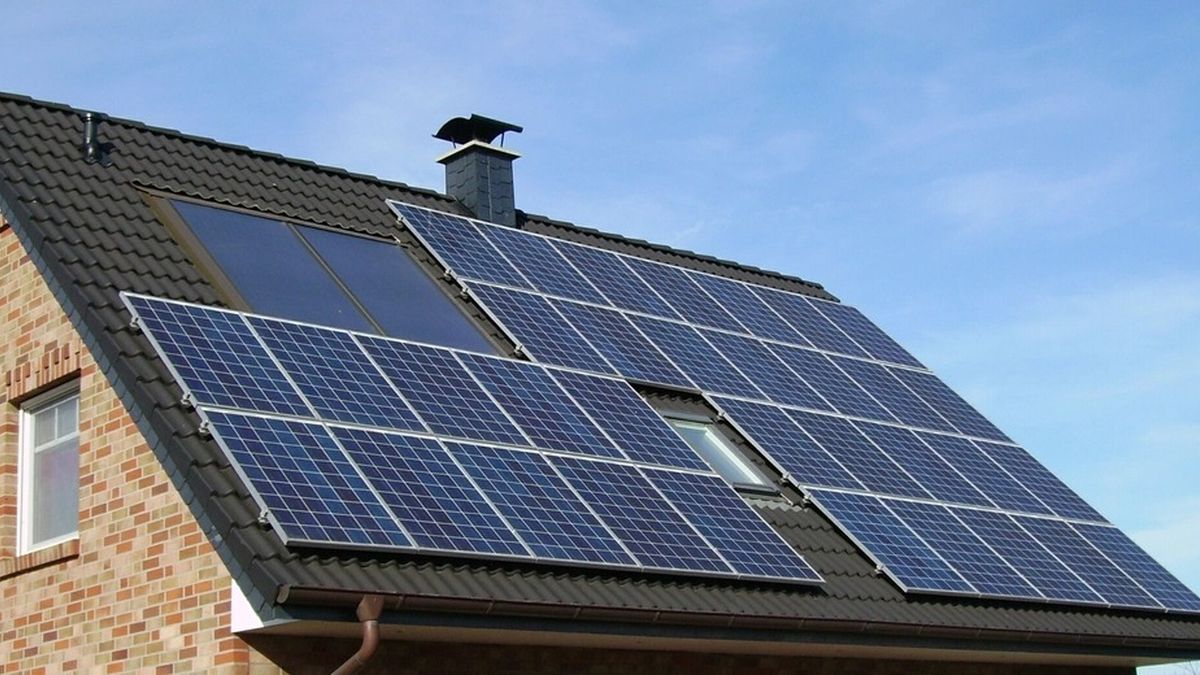
You unbox a new 100W panel, point it at the sun, and your power station shows 68W. Is it faulty? Almost certainly not. Panel ratings come from a lab test that real rooftops and campsites rarely match. Knowing where the missing watts go helps you size systems correctly, and spot real problems when they happen.
Key takeaways
- Panels are rated at Standard Test Conditions (STC): 1,000 W/m² sunlight with cells at 77°F (25°C).
- In real sun, cells run 35-55°F hotter than the air, costing 8-15% of output.
- Expect 70-85% of rated watts at midday in good sun.
- For sizing, use: daily Wh ≈ panel watts × peak sun hours × 0.75.
What the label actually means
A panel's watt rating is measured at Standard Test Conditions: 1,000 watts of sunlight per square meter, a cell temperature of 25°C (77°F) and a specific light spectrum. In a lab, the panel is flashed with light for a fraction of a second, so the cells stay cool.
Outdoors, 1,000 W/m² only happens around noon on clear days with the panel aimed squarely at the sun. And cells in full sun are never at 25°C. Many datasheets also list an NOCT or NMOT rating under more realistic conditions, usually 72-76% of the STC figure. That number is a far better guide.
Where the watts go
| Loss | Typical impact | What you can do |
|---|---|---|
| Heat (temperature coefficient) | 5-15% | Leave airflow behind panels; choose a lower temperature coefficient |
| Sunlight below 1,000 W/m² | Varies through the day | Nothing. It is physics, so plan with peak sun hours |
| Angle and orientation | 0-30%+ | Tilt and aim correctly; adjust portable panels |
| Dirt, dust, pollen | 2-7% (more in dry areas) | Clean periodically |
| Partial shading | Can exceed 50% | Avoid shade; check bypass diodes and wiring |
| Wiring and connectors | 1-3% | Use the right gauge and short runs |
| Charge controller / conversion | 2-5% (MPPT), more with PWM | Use MPPT |
| Age | ~0.5% per year | Expected; covered by warranty |
Calculate the individual losses with our temperature coefficient, dust and soiling, shading impact and panel degradation calculators.
Heat: the biggest everyday loss
Every panel has a temperature coefficient of power, typically -0.30% to -0.40% per °C. On an 86°F (30°C) day, cells can reach 140°F (60°C), 35°C above the test temperature:
35°C × -0.35%/°C ≈ 12% less power
Portable panels lying flat on hot ground or on a van roof without an air gap run even hotter. Ironically, panels perform best on cold, clear days.
Angle and the sun's path
Output drops as the sun moves away from perpendicular. Fixed panels pointed the wrong way can lose a lot: a panel facing east instead of south loses roughly 15-20% annually at typical US latitudes. Find the best angle with the solar panel tilt angle calculator and azimuth loss calculator. For portable panels, re-aiming two or three times a day recovers much of the loss.
The number to plan with
Rather than fighting each loss separately, use a combined derate factor of about 0.75 for well-installed systems (0.65-0.70 for portable panels that are not re-aimed):
Daily energy (Wh) ≈ panel watts × peak sun hours × 0.75
| Array | 3 sun hours (winter) | 5 sun hours (summer) |
|---|---|---|
| 100W | ~225Wh | ~375Wh |
| 200W | ~450Wh | ~750Wh |
| 400W | ~900Wh | ~1,500Wh |
| 1,000W | ~2,250Wh | ~3,750Wh |
Find your location's sun hours with the solar irradiance by city calculator, and turn panel watts into expected output with the solar panel output calculator.
When is low output a real problem? If a panel in full midday sun, correctly aimed and cool, gives under 60% of its rating, check connectors, cable gauge, shading on any cell, and whether the battery is already full. A full battery limits how much power the charger accepts.
Related reading
Controller choice makes a big difference to how much reaches the battery: see MPPT vs PWM. Buying portable panels? Our portable solar panel buying guide covers what to look for. For sizing a full system, see the tiny house worked example, and if the units are confusing, start with watts vs watt-hours.
Frequently asked questions
How much power does a 100W solar panel really produce?
Typically 70-85W at midday in good sun, and about 300-400Wh per day in 4-5 peak sun hours.
Why is my solar panel producing low wattage?
Usually heat, sun angle, haze or partial shade. It can also be that the battery is nearly full, so the controller is limiting charge. Very low output in full sun points to a connector, cable or shading issue.
Do solar panels work better in cold weather?
Yes. Cooler cells produce higher voltage and more power, though shorter winter days and a lower sun reduce total daily energy.
Estimate your real solar output
Use your location, tilt and panel specs instead of the label.
Keep reading
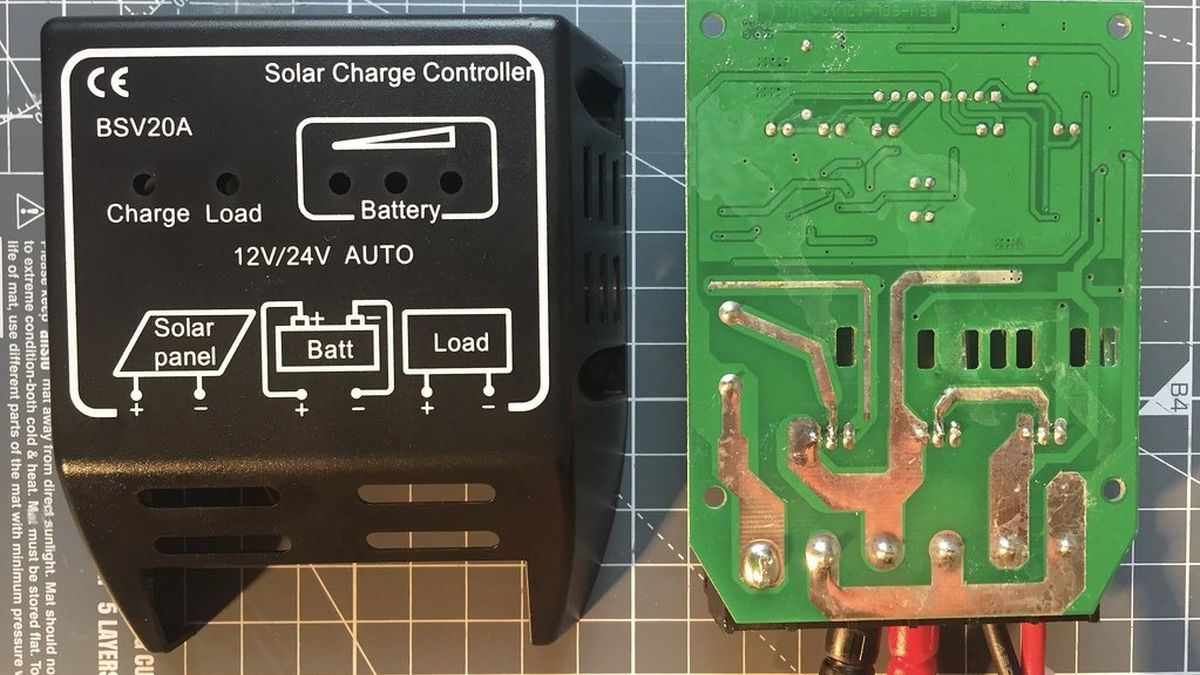
MPPT vs PWM Charge Controllers: Is MPPT Worth the Money?
A PWM controller can throw away a quarter of your panel output. We show the math for a 100W panel and explain when the cheaper controller is still the right call.
Read more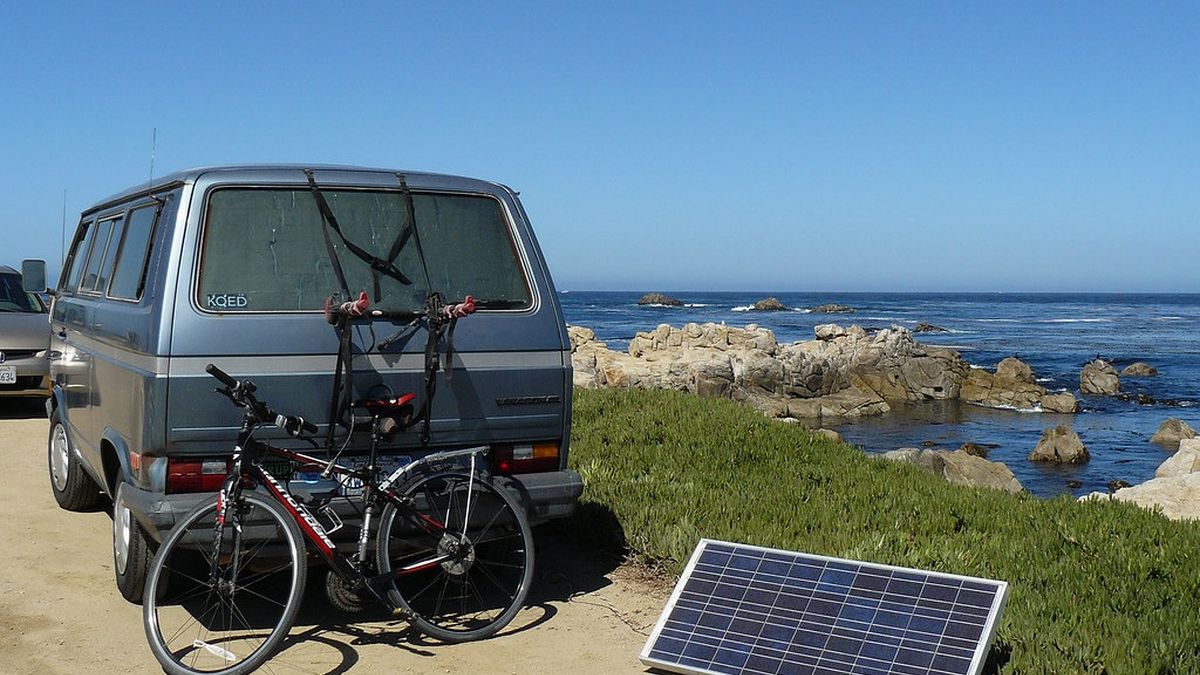
Portable Solar Panel Buying Guide: Folding vs Rigid and What Specs Matter
The wrong panel either cannot recharge your power station in a day or will not plug into it at all. The specs that matter, and the ones that are just marketing.
Read more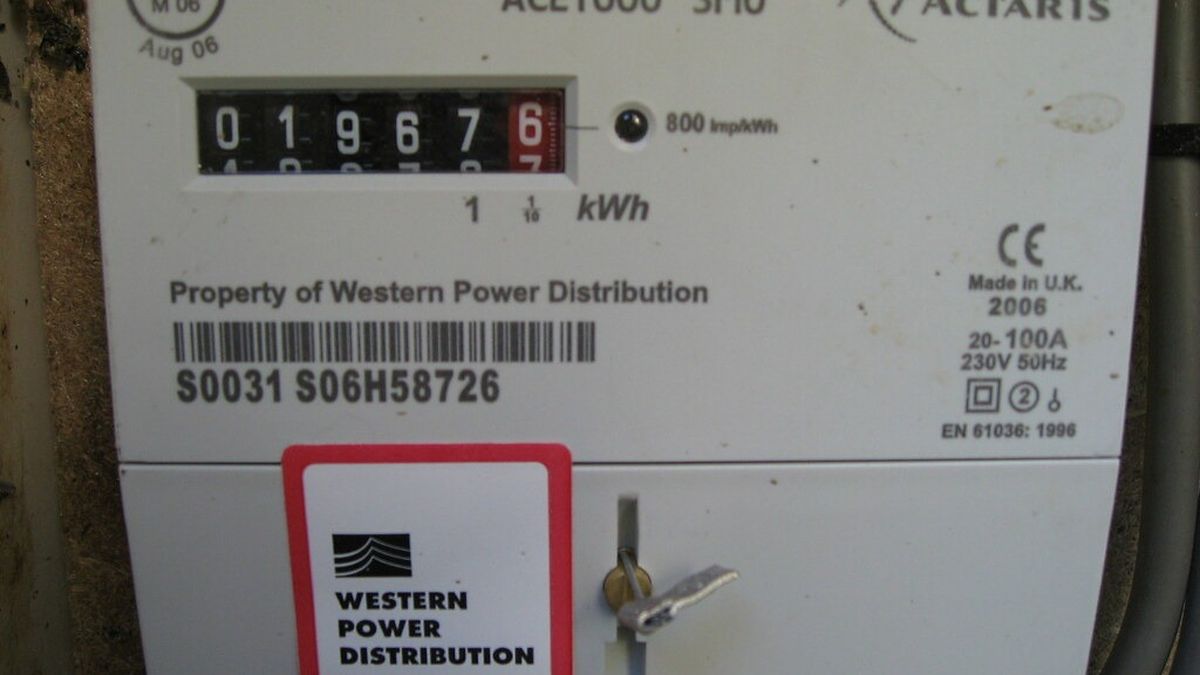
Watts vs Watt-Hours: The Difference That Decides What You Can Run
Every power station lists two numbers that people mix up. Once you know the difference between watts and watt-hours, sizing a battery takes one line of math.
Read more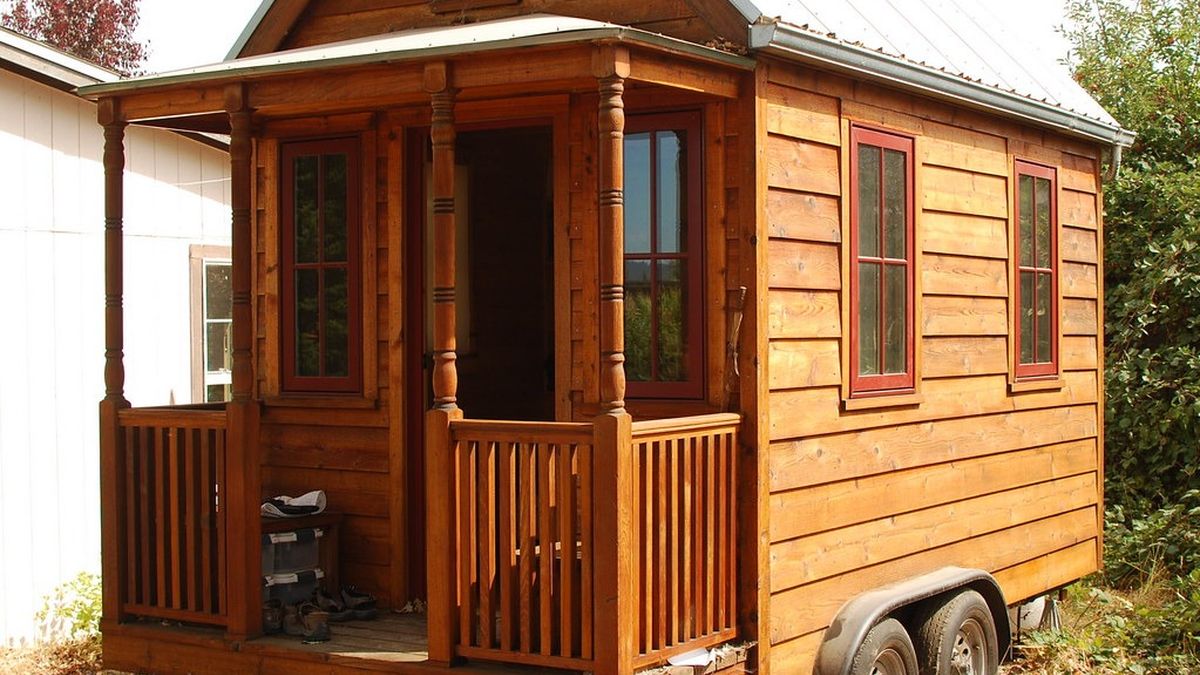
Tiny House Solar System Sizing: A Complete Worked Example
We size a full off-grid system for a typical tiny house, from the appliance list to the battery bank, so you can repeat the process with your own numbers.
Read more