
Winter Power Outage Checklist: Stay Warm, Fed and Connected
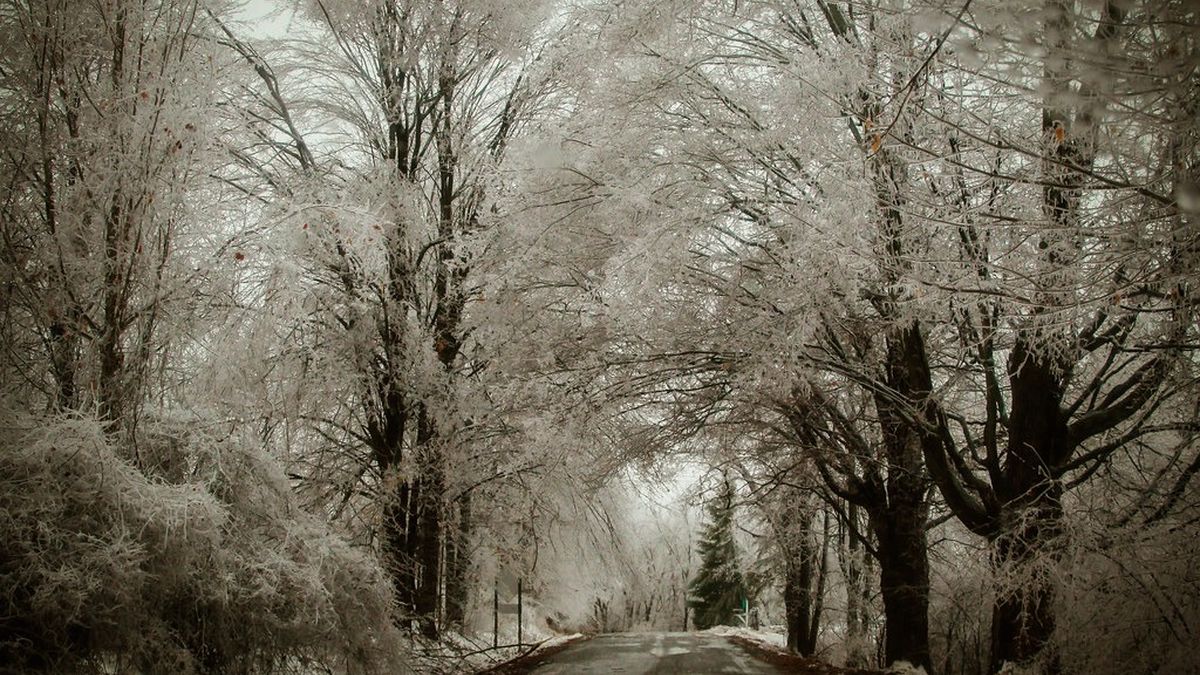
Summer outages are uncomfortable. Winter outages can be dangerous. Ice storms bring down lines across whole regions, repairs take longer in the cold, and without power most homes lose their heat, even gas furnaces, which need electricity for the blower and controls. Work through this checklist before the first storm of the season.
Key takeaways
- Most gas furnaces need 300-800W of electricity to run. Without it, they will not heat.
- Never run a generator, grill or camp stove indoors or in a garage. Carbon monoxide kills every winter.
- A full freezer keeps food frozen about 48 hours; the fridge only about 4 hours.
- A 1-2 kWh power station covers phones, lights, internet and a furnace blower for a meaningful time.
1. Heat: plan for the furnace to stop
- Find out what your furnace needs. Gas and oil furnaces use a blower motor (often 400-800W) plus an inducer fan and controls. A hard-wired furnace needs a transfer switch or interlock kit to run from backup power.
- Heat pumps and electric baseboard are not practical on portable batteries. They draw several kilowatts. Plan to heat one room instead.
- Choose a warm room. Pick a small, interior room with few windows, close doors, and hang blankets over windows at night.
- Low-watt heat is efficient heat. A heated blanket at 50-100W uses a fraction of the power of a space heater. See can a solar generator run a space heater for the math.
2. Carbon monoxide safety
Run gas generators outdoors only, at least 20 feet from doors, windows and vents, pointed away from the house. Never in a garage, even with the door open.
- Install battery-powered CO alarms on every level and near sleeping areas. Test them now.
- Do not use gas ovens, grills or camp stoves for heat.
- Only use fuel-burning heaters rated for indoor use, with an oxygen depletion sensor, and still keep a CO alarm nearby.
- Battery power stations produce no fumes, which is why they can sit safely in the living room.
3. Food and water
- Keep the fridge and freezer closed. The fridge stays safe about 4 hours; a full freezer about 48 hours.
- Freeze jugs of water now to fill empty freezer space. They extend hold time and become drinking water.
- Store at least 1 gallon of water per person per day, for several days.
- On a private well, you have no water without power. See running a well pump in an outage.
- A power station can cycle the freezer to keep it frozen for days. We show how in how long a power station runs a chest freezer.
4. Pipes and the house
- Know where your main water shut-off is, and how to drain the system if the house will go cold for days.
- Let faucets on exterior walls drip slowly during hard freezes.
- Open cabinet doors under sinks to let room heat reach the pipes.
- If you have a sump pump, snowmelt during a thaw can fill the pit fast.
5. Backup power: what to have ready
For most households, these are the priority loads and their approximate daily energy:
| Load | Power | Daily energy |
|---|---|---|
| Phones and laptops | 10-60W while charging | 0.1-0.3 kWh |
| LED lights (4 bulbs, 6 hours) | 40W | 0.25 kWh |
| Internet (modem + router) | 20-40W | 0.5-1.0 kWh |
| Chest freezer | 60-100W running | 0.6-0.7 kWh |
| Furnace blower (cycling) | 400-800W | 2-5 kWh |
| CPAP (8 hours, no humidifier) | 30-60W | 0.25-0.5 kWh |
Without the furnace, a 2 kWh power station covers about a day of essentials. With the furnace you need a larger system or a generator to recharge it. Keep the internet running, and if you rely on a CPAP, read can a solar generator run a CPAP.
Charge everything to 100% when a storm is forecast. Lithium power stations hold their charge for months, but you want them full when the lines come down.
6. Look after the batteries in the cold
Lithium iron phosphate batteries must not be charged below freezing. Keep power stations in the heated part of the house, and if you charge from solar panels outside, keep the battery inside. Details in LiFePO4 batteries in cold weather.
For the complete plan, see our blackout survival guide and emergency power setup guide.
Frequently asked questions
Will my gas furnace work during a power outage?
Almost certainly not. Modern gas furnaces need electricity for the igniter, inducer fan, blower and controls. With a properly connected generator or battery, they can run normally.
How can I heat my house without power safely?
Close off one small room, use layers and heated blankets on battery power, and only use fuel-burning heaters rated for indoor use, with a working carbon monoxide alarm.
What size power station do I need for a winter outage?
For phones, lights, internet and a freezer, 1-2 kWh covers about a day. To run a furnace blower as well, plan for 3-5 kWh per day, or a generator to recharge the battery.
Build your outage power budget
Add each essential load and see how many hours your battery lasts.
Keep reading
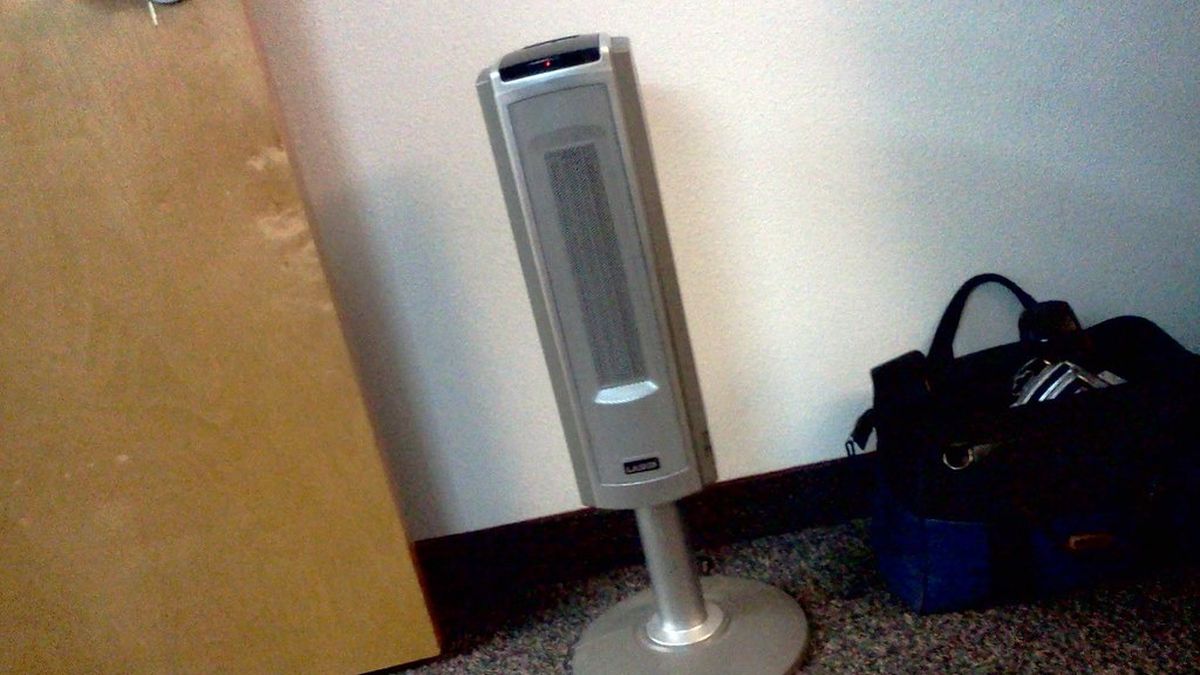
Can a Solar Generator Run a Space Heater? The Honest Math
Yes, technically. But a space heater is the fastest way to drain a battery. Here are the numbers, and the heating options that actually work off-grid.
Read more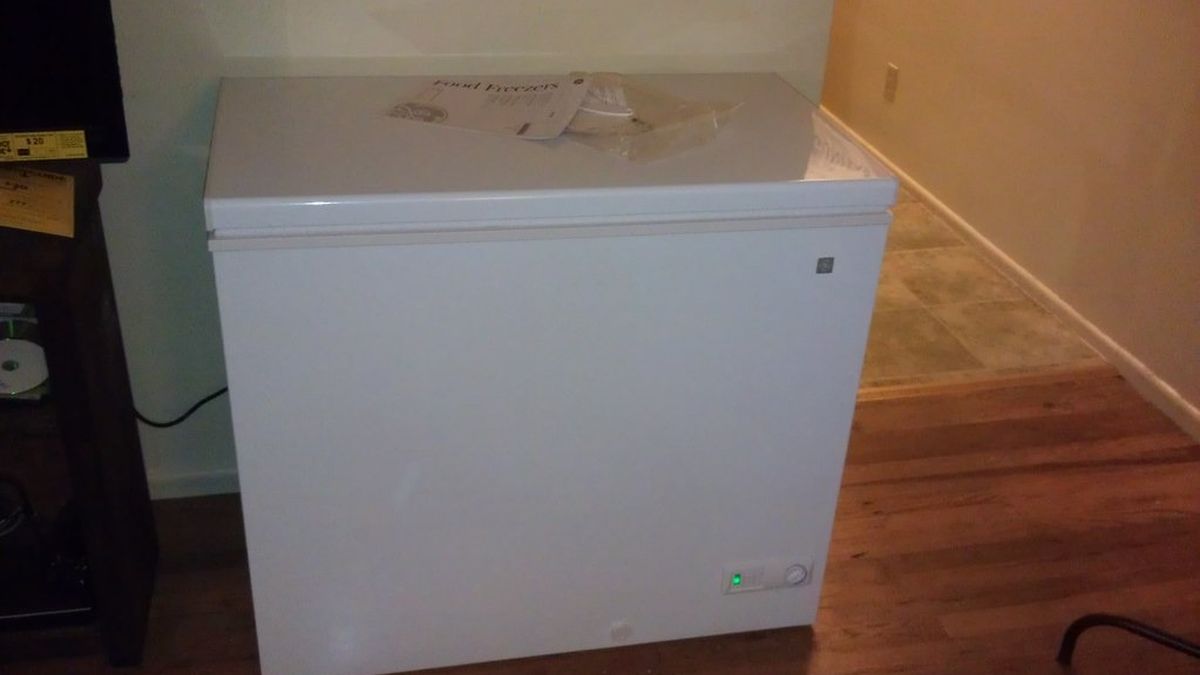
How Long Will a Power Station Run a Chest Freezer?
A modern chest freezer uses less power than most people expect. We work out runtimes for common power station sizes and show how to make one battery last days.
Read more
How to Keep Your Internet On During a Power Outage
Wi-Fi is one of the cheapest things to keep running in a blackout. Here is how much battery it takes and the setup that wastes the least energy.
Read more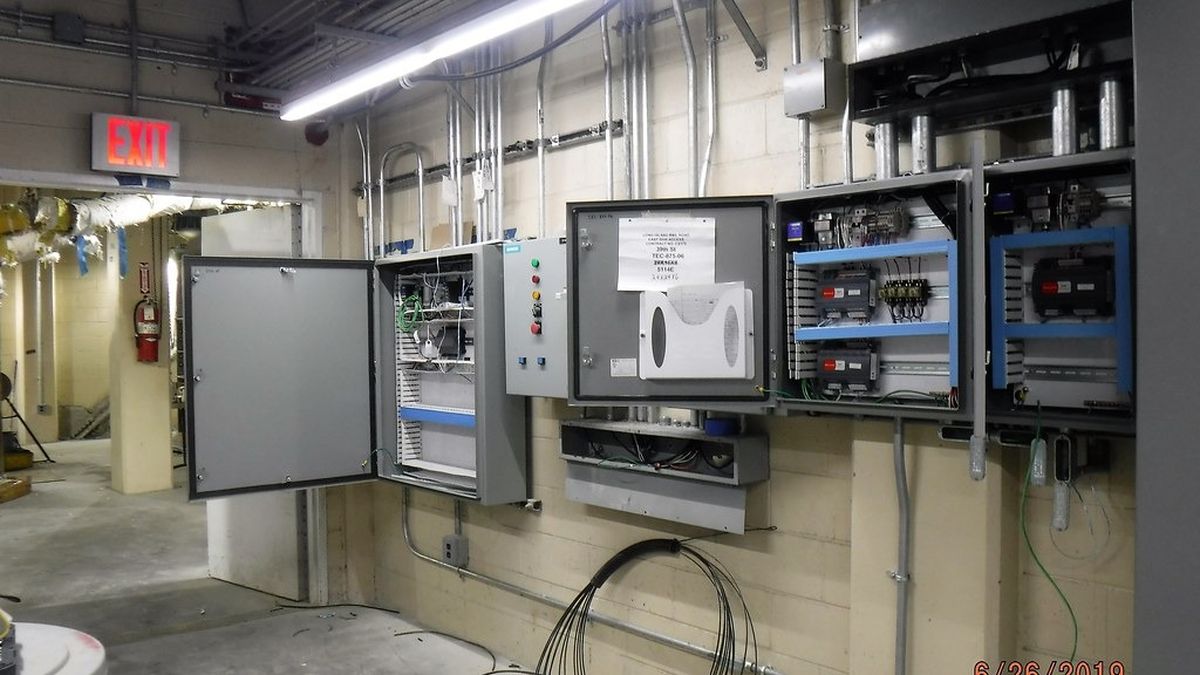
Transfer Switch vs Interlock Kit: Connecting Backup Power to Your House
Extension cords get old fast in a long outage. Here is how transfer switches and interlock kits let a generator or power station feed your home circuits safely.
Read more
LiFePO4 Batteries in Cold Weather: Charging Below Freezing
Lithium iron phosphate is the best battery chemistry for solar, with one big caveat: cold charging. Here is what happens below freezing and how to work around it.
Read more