
Transfer Switch vs Interlock Kit: Connecting Backup Power to Your House
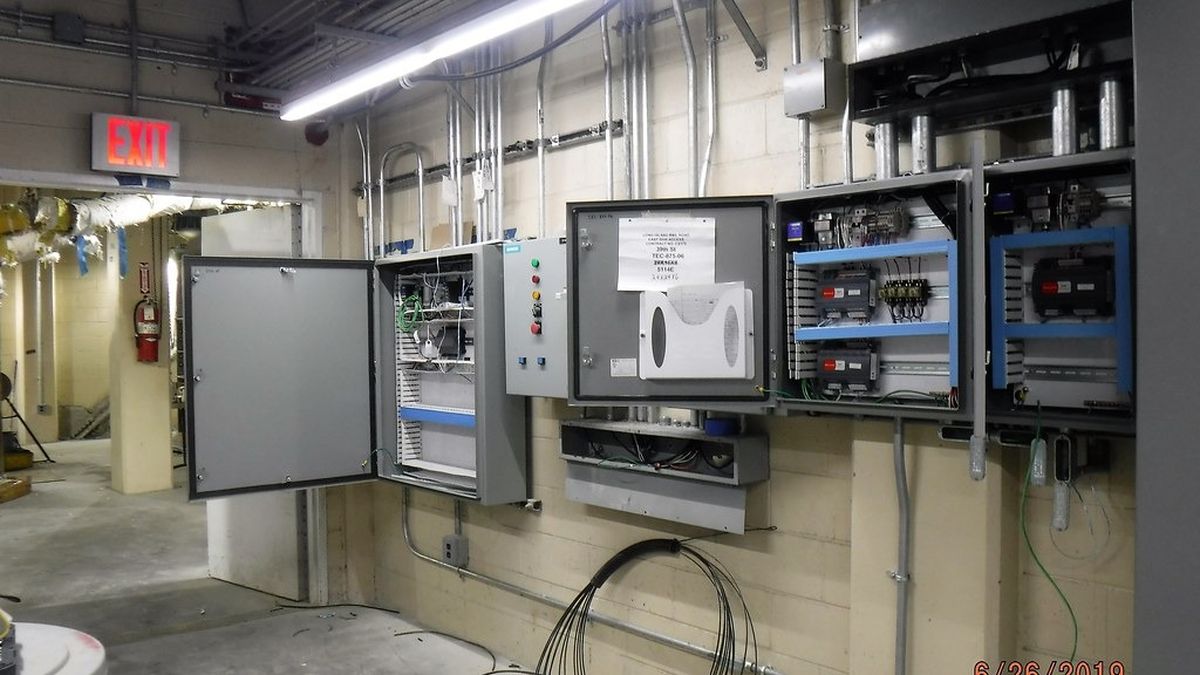
Running extension cords from a generator through a window works for a night. In a multi-day outage it gets old fast, and it cannot power hard-wired loads like a furnace, well pump or ceiling lights. The proper fix is to feed your home's circuits directly, safely isolated from the utility. There are three ways to do it: an interlock kit, a manual transfer switch, or an automatic transfer switch.
Key takeaways
- All three methods prevent backfeeding, where your generator sends power onto the utility lines.
- An interlock kit is the cheapest and lets you power any circuit in the panel, one breaker at a time.
- A manual transfer switch pre-selects 6-10 circuits and is the simplest to use.
- Automatic transfer switches are for permanently installed standby systems.
Why you can't just plug into an outlet
Connecting a generator to a wall outlet with a double-ended cord, sometimes called a "suicide cord," energizes your whole panel, and if the main breaker is on, it also pushes power back through the utility transformer. That transformer steps your 240V up to thousands of volts on lines that crews believe are dead. It is illegal, it can kill line workers, and it can start a fire when grid power returns.
Every legal home connection method physically prevents the main breaker and the generator from being connected at the same time.
Interlock kit
An interlock is a sliding metal plate fitted to your main panel cover. It blocks the main breaker from being on while a dedicated generator backfeed breaker is on, and vice versa. A power inlet box outside connects to that breaker, and you plug the generator or power station into the inlet.
- Cost: typically $50-200 for the kit, plus the inlet, breaker and installation.
- Coverage: any circuit in the panel. You manage the load by switching breakers on and off.
- Trade-off: easy to overload if you leave everything on. You need to know which breakers to switch off.
Manual transfer switch
A manual transfer switch is a small sub-panel mounted beside your main panel. A handful of essential circuits, such as fridge, furnace, well pump and a few lights, are moved into it, and each has a switch: LINE or GEN.
- Cost: typically $300-700 for the switch, plus installation.
- Coverage: only the 6-10 circuits pre-wired into it.
- Trade-off: harder to overload and easier for anyone in the family to operate, but less flexible.
Automatic transfer switch
An automatic transfer switch (ATS) senses the outage, signals a standby generator or battery system to start, and transfers the load within seconds. It is standard with permanently installed standby generators and most whole-home battery systems. Expect $1,000 or more installed for the switch alone.
If you are considering a whole-home battery, compare options in our home battery backup guide and home backup systems guide.
Side-by-side comparison
| Interlock kit | Manual transfer switch | Automatic transfer switch | |
|---|---|---|---|
| Typical cost (equipment) | $50-200 | $300-700 | $1,000+ |
| Circuits covered | Any | 6-10 pre-selected | Selected or whole home |
| Operation | Flip main off, gen breaker on | Flip circuit switches | Automatic |
| Overload protection | You manage it | Limited by design | Load management built in |
| Best for | Budget, flexibility | Simplicity | Standby systems |
Using a power station instead of a generator
Larger power stations can feed an interlock or transfer switch through a 30A outlet (TT-30 or L14-30, depending on the unit). A few things to check first:
- Voltage. A 120V-only unit can power just one leg of a split-phase panel. 240V loads such as a well pump need a unit with split-phase output.
- Neutral bonding. With an interlock kit, the neutral stays bonded at your main panel, so the source generally needs a floating neutral. Many power stations are floating-neutral by default, but check the manual.
- Surge. Starting a furnace blower, sump pump or fridge at the same moment can exceed the inverter's surge rating. Turn breakers on one at a time. See surge vs running watts.
Panel work requires a licensed electrician and usually a permit. Codes vary by location and utility.
Planning your winter backup? Pair this with the winter power outage checklist and the emergency power setup guide.
Frequently asked questions
Is an interlock kit legal?
In most US jurisdictions, yes, when it is listed for your specific panel and installed with a permit. Some utilities and local codes have extra requirements, so check before buying.
Can I connect a portable power station to a transfer switch?
Yes, if it has a compatible outlet (often a TT-30 or L14-30) and enough output for the circuits you switch on. A 120V-only unit cannot run 240V circuits.
Do I need a transfer switch for a generator?
Only if you want to power hard-wired circuits or the home panel. For a few appliances, heavy-duty extension cords from a generator placed safely outdoors are fine.
Know your load before you wire it
Add up the circuits you plan to back up and size the generator or inverter to match.
Keep reading
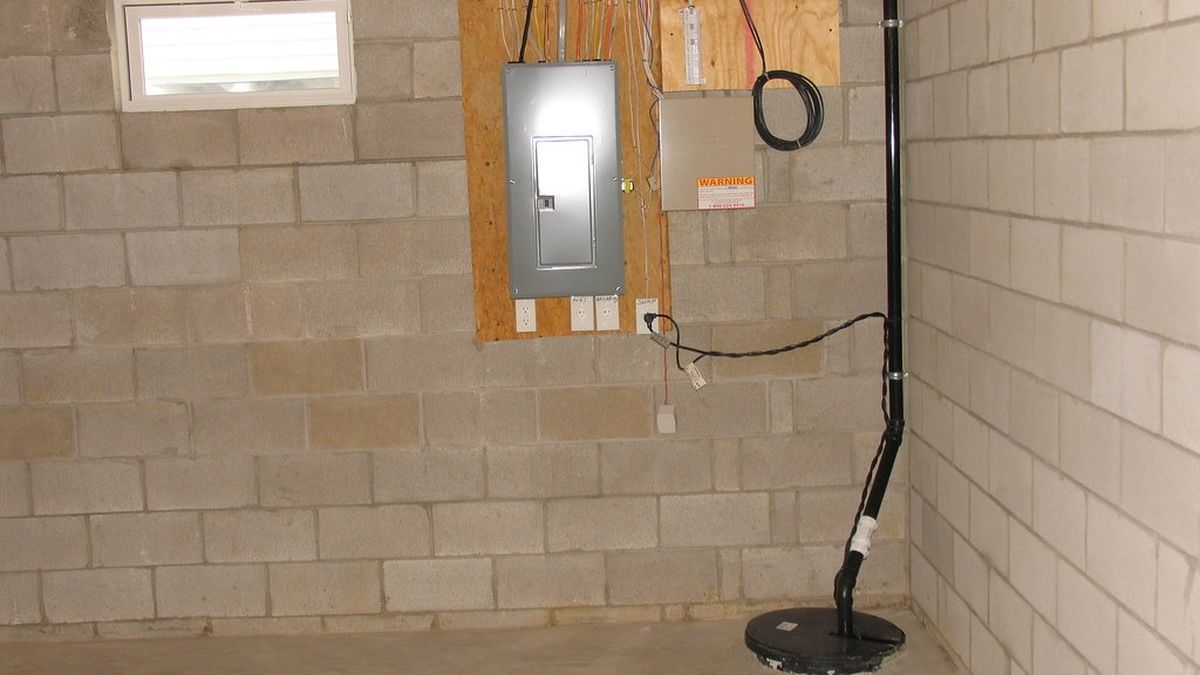
Can a Power Station Run a Sump Pump? Battery Backup Sizing Guide
Storms and power cuts arrive together. Here is how to size a power station for a 1/3 or 1/2 HP sump pump, and when a dedicated DC backup pump is the better buy.
Read more
How to Run a Well Pump During a Power Outage
No power means no water on a private well. A well pump uses little energy but a lot of startup current, and that changes what kind of backup you need.
Read more
Winter Power Outage Checklist: Stay Warm, Fed and Connected
Winter outages last longer and the cold makes them dangerous. Use this checklist to prepare heat, food, water and backup power before the next ice storm.
Read more
Surge Watts vs Running Watts: Why Your Inverter Trips
Your fridge uses 150 watts, so why does it trip a 600W inverter? Startup surge explained, with a table of real appliances and how to size around it.
Read more