
How to Run a Well Pump During a Power Outage

If your water comes from a private well, a power outage also means no running water: no flushing, no washing, no drinking water once the pressure tank empties. Keeping a well pump running is a little different from other backup loads. The energy it needs is small, but the current it pulls at startup is huge, and many pumps run on 240 volts.
Key takeaways
- Most well pumps use under 1 kWh per day for a typical household.
- Startup surge is the real challenge: 3-6× running watts on many submersible pumps.
- Many deep-well pumps are 240V, which rules out most single 120V power stations.
- Soft starters and variable-speed pumps can cut the surge enough for smaller backup systems.
Well pump wattage and voltage
Shallow-well jet pumps are often 120V, while deep submersible pumps are commonly 240V. Look at the pump's control box or breaker: a double-pole breaker (two linked handles) means 240V.
| Pump | Typical voltage | Running watts | Startup watts |
|---|---|---|---|
| 1/2 HP jet pump | 120V or 240V | 900-1,100W | 2,000-3,000W |
| 1/2 HP submersible | 240V | 1,000-1,200W | 3,000-4,500W |
| 3/4 HP submersible | 240V | 1,300-1,600W | 4,000-5,500W |
| 1 HP submersible | 240V | 1,600-2,000W | 5,000-7,000W |
Surge on 2-wire submersible pumps (no separate control box) is usually at the high end because the start components sit down the well with the motor. Our explainer on surge vs running watts covers why motors behave this way.
Energy use: smaller than you think
A pump that moves 10 gallons per minute fills 300 gallons, a typical family's daily use, in 30 minutes. At 1,100W that is about 0.55 kWh per day. Even with garden watering it rarely exceeds 1-2 kWh. In an outage, when nobody runs the dishwasher or laundry, it is often under 0.5 kWh.
The pressure tank helps too: the pump only starts when pressure falls to the cut-in point (often 30 or 40 psi), then runs for a minute or two to refill it.
In an outage, conserve water and you conserve battery. Each pump start costs a surge, so a bigger pressure tank (fewer starts) is easier on a battery system.
What backup power can run a well pump?
- Gas or dual-fuel generator (5,000W+ with 240V output). The traditional solution, easily handles the surge.
- Large 240V battery system. Whole-home batteries and expandable power stations with split-phase 240V output, either built in or by linking two units. See our home battery backup guide.
- 120V power station only for a 120V jet pump with surge within the unit's rating.
- Hybrid: run the pump from a generator for 20 minutes twice a day to fill the pressure tank and some containers, while a power station handles quiet loads overnight.
Whichever route you pick, size the inverter for the surge, not the running watts. The inverter sizing calculator and hybrid inverter sizing tools help here, and if you are designing a whole system, start with 12V vs 24V vs 48V, because 240V inverters are almost always 48V.
Cutting the surge: soft starters and VFD pumps
A soft starter ramps the motor up over a second or two instead of slamming it with full voltage, which can cut startup current by half or more. Variable frequency drive (VFD) constant-pressure pumps go further: they ramp up gently every time and draw only what they need.
For a battery system, adding a soft starter can be the difference between needing an 8kW inverter and getting by with a 5kW one. Have a licensed pump installer fit it, since it goes in the pump's control circuit.
Connecting the pump safely
A well pump is hard-wired, so you cannot just unplug it and plug it into a power station. The safe options are a manual transfer switch or a panel interlock kit, both explained in transfer switch vs interlock kit.
Well pump circuits carry 240V and high startup current. Wiring a transfer switch or interlock is a job for a licensed electrician, and most areas require a permit.
Also on a well and a slab? Read our sump pump backup guide and the blackout survival guide for the rest of the house.
Frequently asked questions
Can a portable power station run a well pump?
A large one can run a 120V jet pump. Most deep-well submersible pumps are 240V with startup surges of 3,000-7,000W, which needs a 240V-capable battery system or a generator.
What size generator do I need for a 1 HP well pump?
Plan on at least 5,000-7,500W of starting capacity with a 240V outlet. Add your other loads on top if they share the generator.
How much water is left in my pressure tank during an outage?
Usually only a few gallons. The drawdown of a typical 20-40 gallon pressure tank is 5-15 gallons, so store drinking water separately.
Check the startup load
Enter the pump's running watts and surge multiplier to see what inverter size you need.
Keep reading
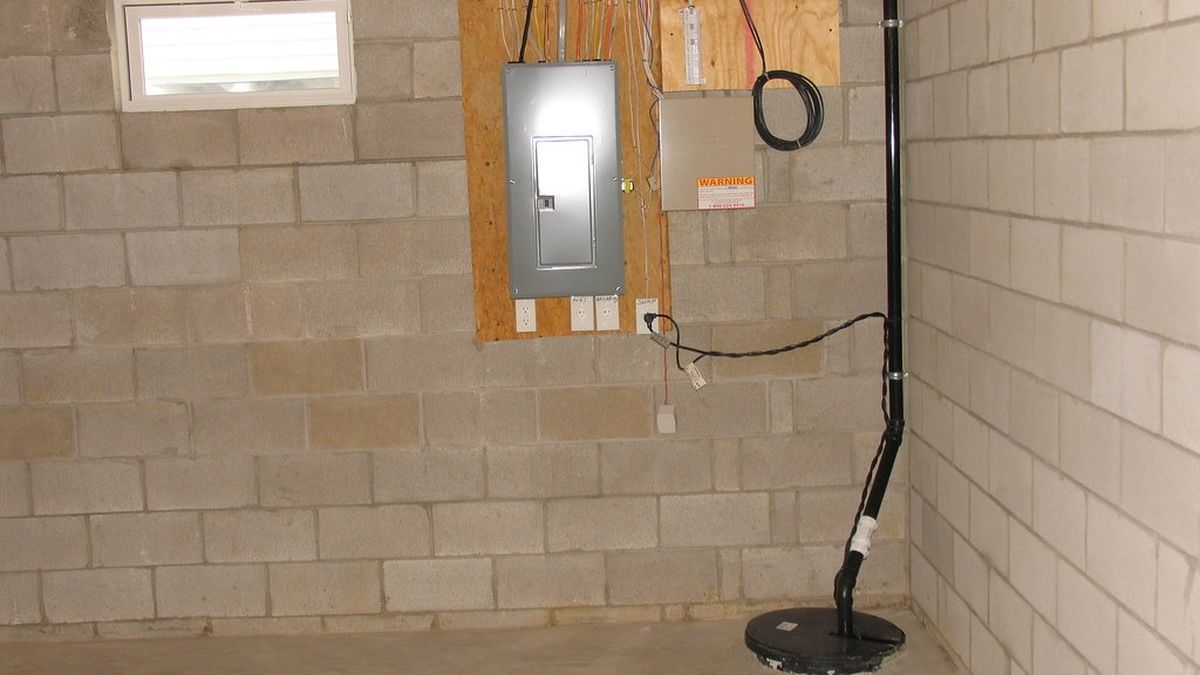
Can a Power Station Run a Sump Pump? Battery Backup Sizing Guide
Storms and power cuts arrive together. Here is how to size a power station for a 1/3 or 1/2 HP sump pump, and when a dedicated DC backup pump is the better buy.
Read more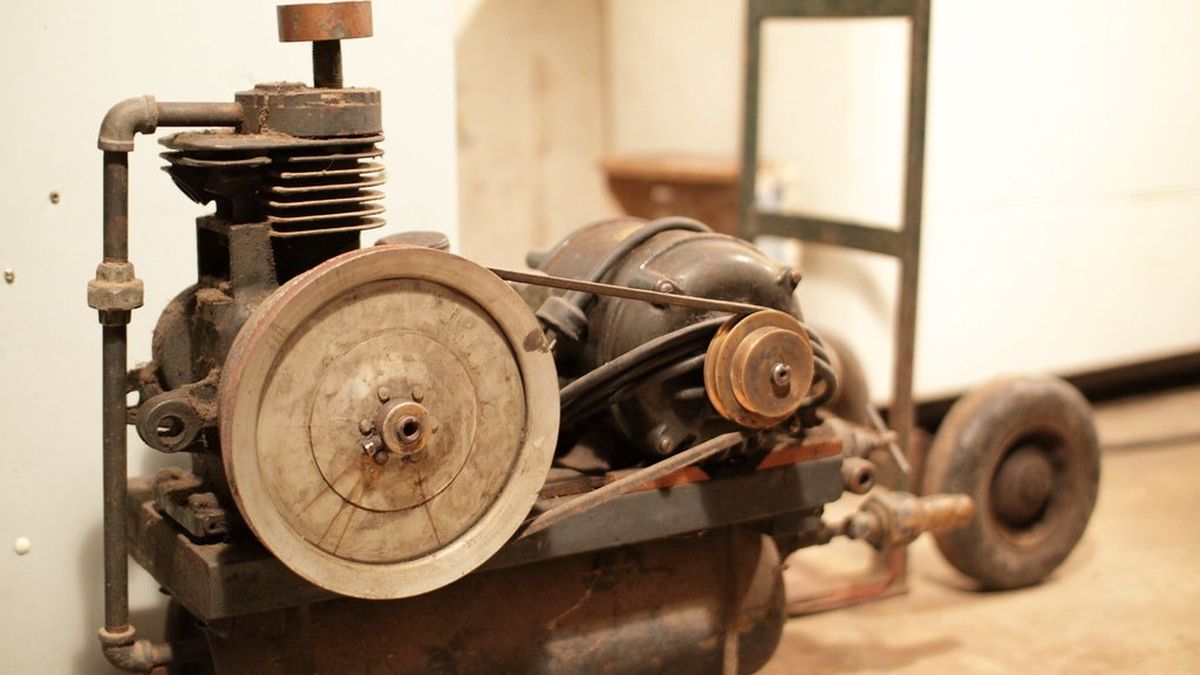
Surge Watts vs Running Watts: Why Your Inverter Trips
Your fridge uses 150 watts, so why does it trip a 600W inverter? Startup surge explained, with a table of real appliances and how to size around it.
Read more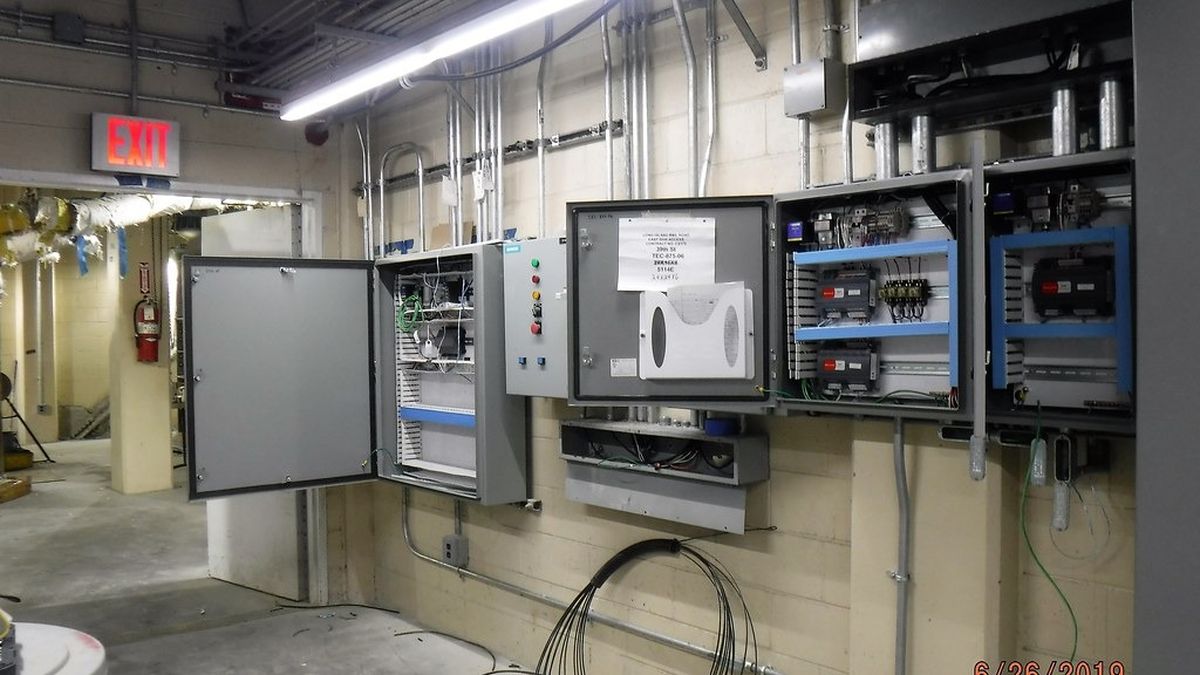
Transfer Switch vs Interlock Kit: Connecting Backup Power to Your House
Extension cords get old fast in a long outage. Here is how transfer switches and interlock kits let a generator or power station feed your home circuits safely.
Read more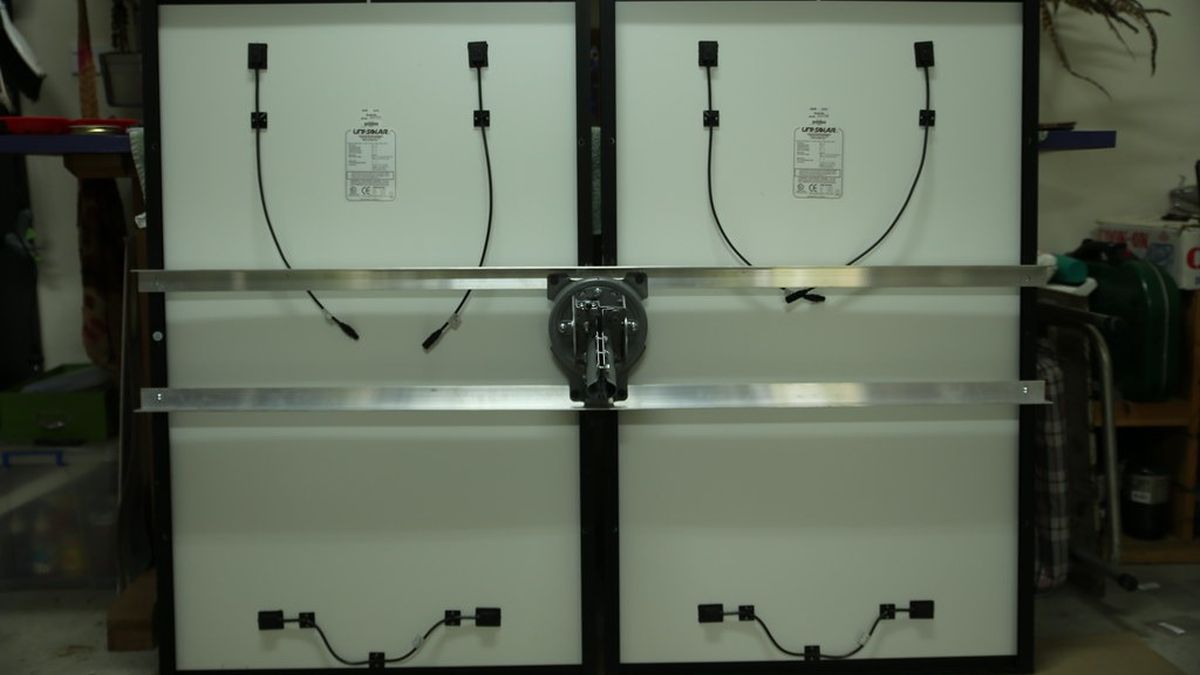
12V vs 24V vs 48V: Choosing Your Solar System Voltage
System voltage is the first decision in any off-grid build and the hardest to change later. Here is how current, cable size and controller cost decide it.
Read more