
Running Power Tools on a Solar Generator: Saws, Drills and Compressors
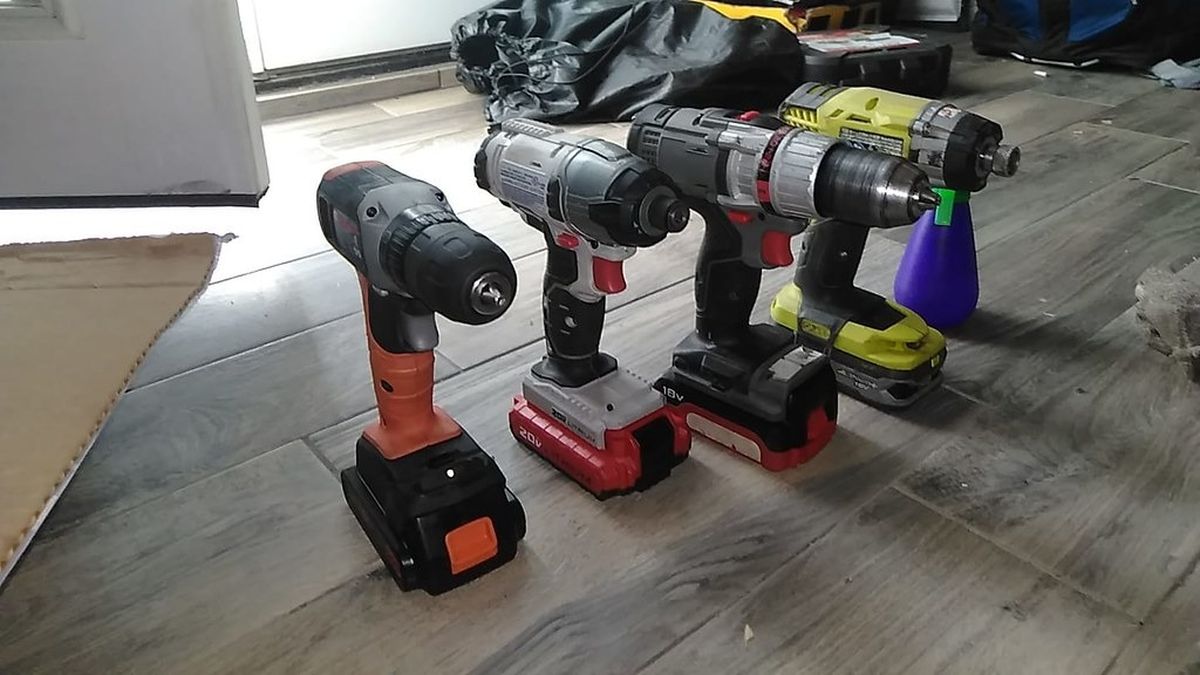
A battery power station is silent, fume-free and can sit right next to you indoors, which makes it attractive for remote projects, cabins, renovation work in occupied homes and jobsites with noise rules. The question is whether it can handle the startup kick of a saw or compressor. Here is what works, what struggles, and how much battery a working day takes.
Key takeaways
- Most corded saws draw 1,200-1,800W running and roughly double that at startup.
- Look for 2,000W+ continuous and 4,000W+ surge to run full-size saws reliably.
- Tools run in short bursts, so energy use is modest: often 1-3 kWh per working day.
- Charging cordless tool batteries is the most efficient use of a power station.
Power tool wattage and surge
| Tool | Running watts | Startup watts (typical) | Power station friendly? |
|---|---|---|---|
| Cordless battery charger | 100-300W | None | Excellent |
| Corded drill | 500-900W | 800-1,500W | Yes |
| Jigsaw / reciprocating saw | 700-1,200W | 1,200-2,000W | Yes |
| Angle grinder | 800-1,500W | 1,500-2,500W | Mostly |
| Circular saw (7-1/4") | 1,200-1,800W | 2,300-3,500W | Large units only |
| Miter saw (10-12") | 1,500-1,800W | 2,500-4,000W | Large units only |
| Table saw | 1,600-1,800W | 3,000-4,500W | Borderline |
| Pancake compressor | 900-1,600W | 2,500-4,000W | Borderline (restarts under pressure) |
| Shop vac | 800-1,400W | 1,200-2,000W | Yes |
Motors surge at startup, as explained in surge watts vs running watts. Saws are also loaded by the cut: a dull blade in thick hardwood can push running draw past the label.
Soft-start tools, common on newer miter and table saws, draw far less at startup and make a big difference on battery power.
How much battery does a day of work take?
Tools run in short bursts, so the energy numbers are smaller than the wattage suggests. Use watts vs watt-hours thinking:
- 100 cuts with a circular saw: about 10 seconds each ≈ 17 minutes × 1.5kW ≈ 0.4 kWh.
- Charging eight 18V 5Ah tool batteries: 8 × 90Wh ÷ 0.85 charger efficiency ≈ 0.85 kWh.
- Shop vac, 30 minutes: ≈ 0.5 kWh.
- Work lights, 6 hours at 100W: ≈ 0.6 kWh.
A trim or renovation day often lands at 1-2 kWh, and heavier framing days with a compressor at 2-4 kWh. A 2-3 kWh power station covers most single-trade days. Bring a portable solar panel or recharge overnight on site power for multi-day jobs.
What to look for in a jobsite power station
- Continuous output 2,000W+, surge 4,000W+ for full-size saws. Check the inverter sizing calculator.
- Pure sine wave output. Variable-speed tools and chargers can misbehave on modified sine. See pure sine vs modified sine.
- LiFePO4 battery for thousands of cycles of daily use.
- 20A outlets or a 30A outlet if you run a table saw or compressor.
- Wheels and a handle. A 2kWh+ unit can weigh 50-80 lb.
- Fast AC charging so it refills overnight or over lunch on site power.
Compare options in our portable power stations roundup.
Cords and safety
Long, thin extension cords cause voltage drop, which makes motors draw more current and run hotter, and can trip the inverter. For 15A tools use 12 AWG for up to 50 feet and 10 AWG for 100 feet. The voltage drop calculator shows the effect.
Use GFCI protection for tools on construction sites; temporary jobsite power is typically required to have it. Keep the power station dry and off wet ground.
Power station or gas generator?
For loud, all-day framing crews running multiple saws and compressors, a gas inverter generator is still more practical. For one or two trades, indoor work, remote cabins and noise-restricted sites, a power station wins: no fuel runs, no fumes indoors, no starting problems. Many contractors run both, using the generator to recharge the battery away from the work area. We compare the two in solar vs traditional generators.
Keep your station healthy between jobs with our storage and maintenance guide.
Frequently asked questions
Can a solar generator run a circular saw?
Yes, if it has around 1,800-2,000W continuous output and a surge rating above about 3,000W. Smaller units often trip when the saw starts.
Can a portable power station run an air compressor?
Small compressors, sometimes. Pancake compressors restarting against tank pressure can surge to 2,500-4,000W, so you need a large inverter. Soft-start or low-amp compressors are much easier.
How long will a power station run power tools?
Longer than you might expect, because tools run in short bursts. A 2kWh station typically covers a day of light carpentry or renovation work.
Check your tool loads
Enter your tools to find the inverter and battery size you need.
Keep reading
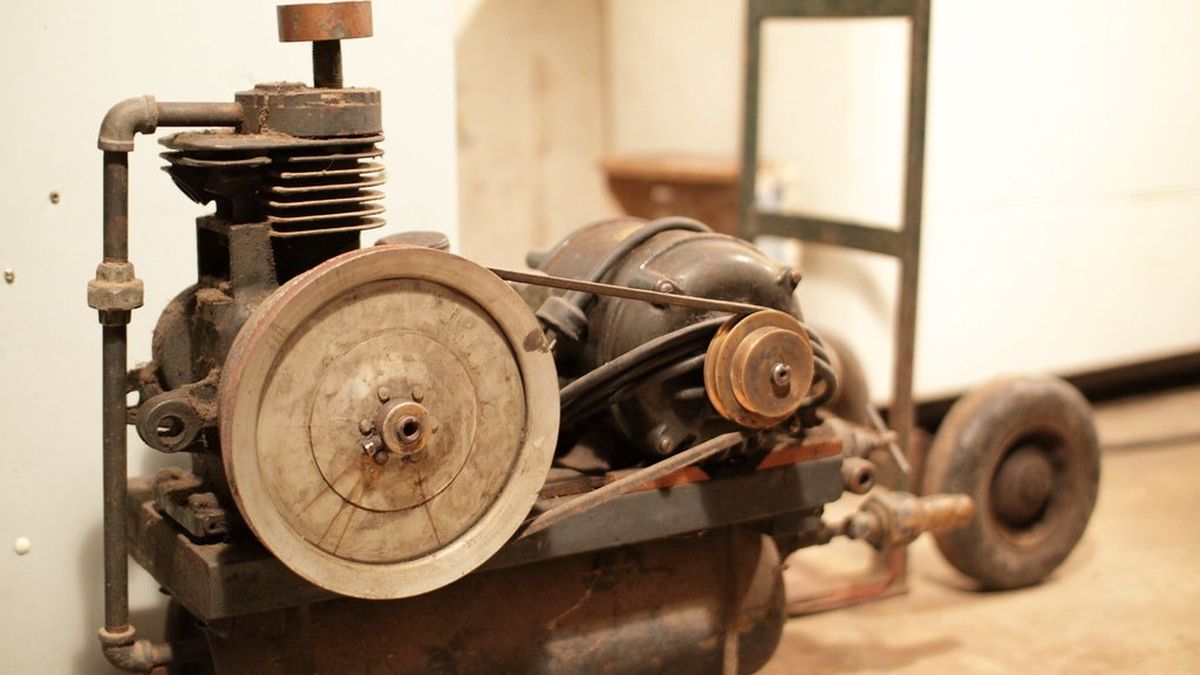
Surge Watts vs Running Watts: Why Your Inverter Trips
Your fridge uses 150 watts, so why does it trip a 600W inverter? Startup surge explained, with a table of real appliances and how to size around it.
Read more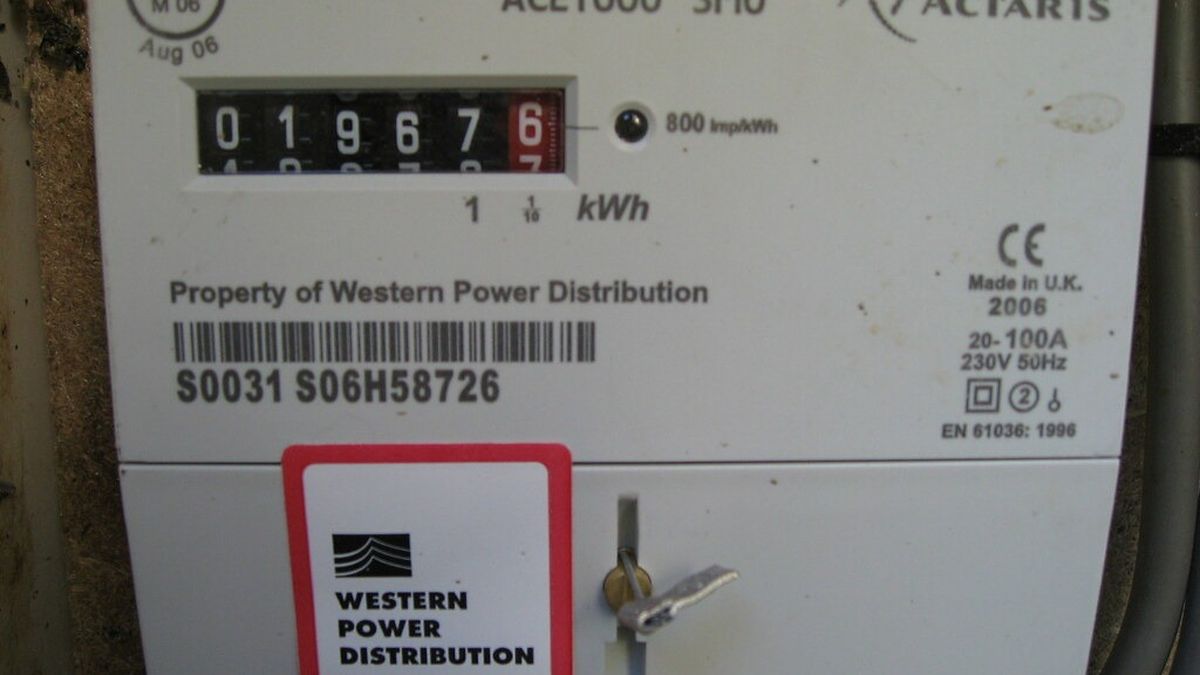
Watts vs Watt-Hours: The Difference That Decides What You Can Run
Every power station lists two numbers that people mix up. Once you know the difference between watts and watt-hours, sizing a battery takes one line of math.
Read more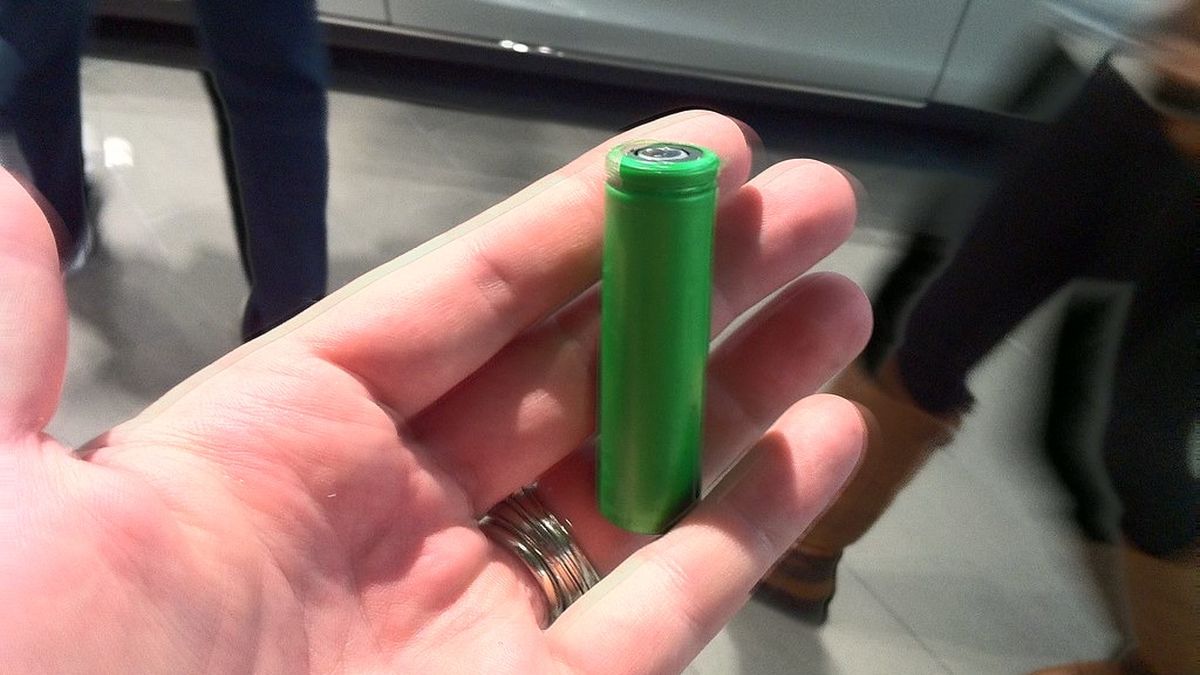
How to Store and Maintain a Portable Power Station
A power station that sits in a closet between storms needs a little care. Storage charge, temperature and top-up schedules that protect the battery.
Read more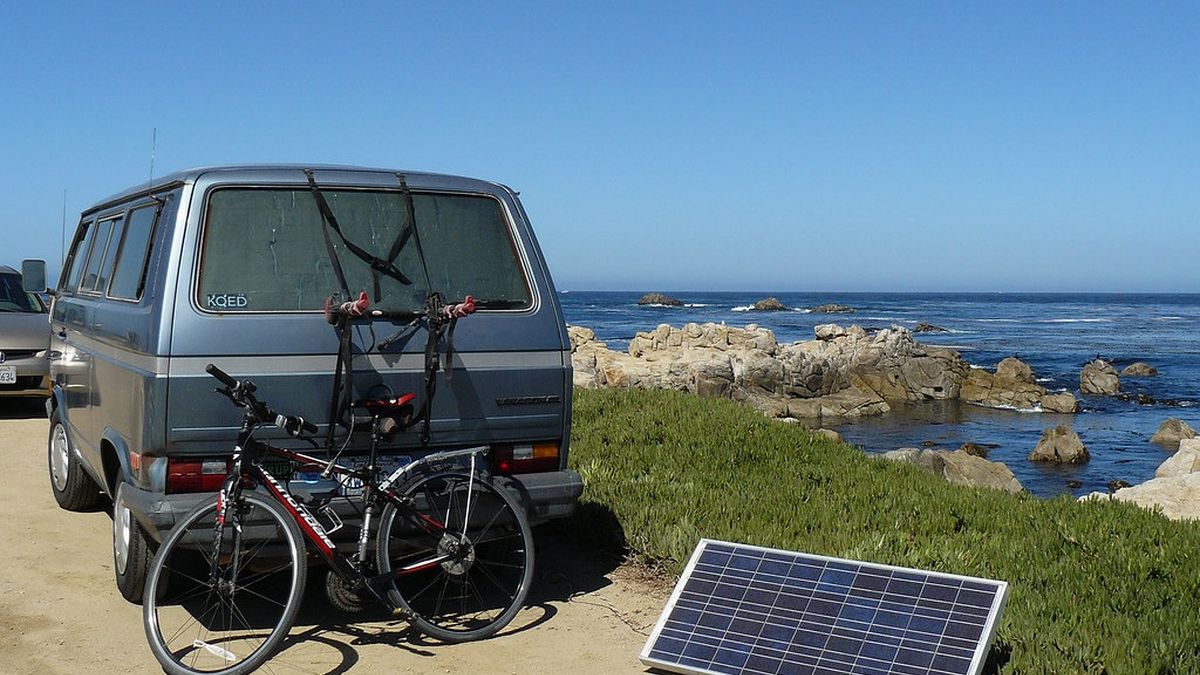
Portable Solar Panel Buying Guide: Folding vs Rigid and What Specs Matter
The wrong panel either cannot recharge your power station in a day or will not plug into it at all. The specs that matter, and the ones that are just marketing.
Read more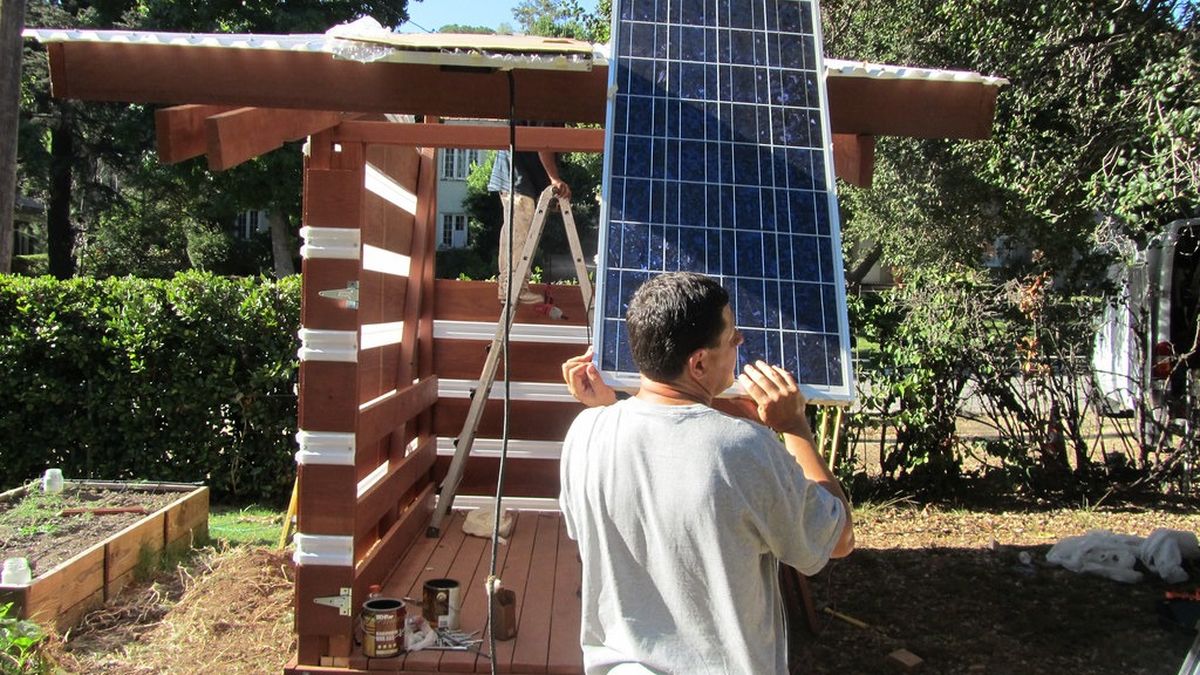
Solar Power for a Shed or Workshop
Lights, a radio, battery chargers and the occasional tool: how to plan a small shed solar system that just works.
Read more