
How to Size an Off-Grid Solar System: Step-by-Step
Sizing an off-grid solar system comes down to six steps, each building on the last: work out daily energy, size the battery, size the array, choose the charge controller, choose the inverter, and plan backup charging. This guide gives the formula for each step and works through a complete example.
Key takeaways
- Size everything from daily energy use, including inverter losses and idle draw.
- Battery: daily Wh × days of autonomy ÷ usable fraction.
- Array: daily Wh ÷ (worst-month sun hours × 0.75).
- Inverter: covers peak simultaneous load and the largest startup surge.
Step 1: daily energy
List each device, its watts and hours per day, and add the watt-hours. Add about 10% for inverter losses on AC loads, plus the inverter's idle draw × 24 hours. The daily energy use calculator does the math.
| Example load | Wh/day |
|---|---|
| Fridge | 900 |
| Lights | 300 |
| Laptops and phones | 500 |
| Internet | 480 |
| Water pump | 100 |
| TV | 240 |
| Losses + inverter idle | 650 |
| Total | 3,170 |
Step 2: battery bank
Battery Wh = daily Wh × days of autonomy ÷ usable fraction
With 2 days of autonomy and LiFePO4 (90% usable): 3,170 × 2 ÷ 0.9 ≈ 7,000Wh, for example one 48V 150Ah bank. Lead-acid at 50% usable would need nearly twice the rated capacity. Choosing a battery is covered in how to choose solar batteries, and the battery autonomy calculator handles other scenarios.
Step 3: solar array
Array watts = daily Wh ÷ (worst-month peak sun hours × 0.75)
At 3 winter sun hours: 3,170 ÷ (3 × 0.75) ≈ 1,410W, so about 1,500W of panels. Check your site with the solar irradiance by city calculator, set the angle with the tilt angle calculator, and see why panels produce less than rated for the 0.75 factor.
Step 4: charge controller
Controller amps = array watts ÷ battery voltage × 1.25
1,500W ÷ 51.2V × 1.25 ≈ 37A, so a 40A or larger MPPT. Confirm that the array's cold-weather Voc stays below the controller's maximum input voltage. Full detail in how to choose a charge controller.
Step 5: inverter
Add up everything that might run at once, replace the biggest motor's running watts with its startup watts, and choose an inverter whose surge rating exceeds that and whose continuous rating exceeds the running total by about 25%. For this example a 3,000W 48V inverter-charger fits. See how to choose an inverter and the inverter sizing calculator.
Step 6: backup charging
Plan for the week of storms that exceeds your autonomy. Most off-grid homes add a generator connected to the inverter-charger, as shown in the generator backup wiring diagram. Grid-adjacent homes might use grid charging instead.
| Component | Example result |
|---|---|
| Daily use | 3,170Wh |
| Battery | ~7kWh, 48V LiFePO4 |
| Array | ~1,500W |
| Controller | 40-60A MPPT |
| Inverter | 3,000W 48V inverter-charger |
| Backup | 3-4kW inverter generator |
For a fully worked tiny house example, see tiny house solar system sizing, and for budget estimates, the off-grid budget calculator.
Frequently asked questions
How do I calculate the size of an off-grid solar system?
Find daily watt-hours, divide by worst-month sun hours × 0.75 for array watts, and multiply daily watt-hours by days of autonomy ÷ usable battery fraction for battery size.
How many days of battery autonomy do I need?
Two to three days is typical for homes with a backup generator. Without backup, three to five days.
Should I size for summer or winter?
Winter (or your worst month) if you live off-grid full time. Weekend or summer-only cabins can size for their season of use.
Run the numbers automatically
Our system sizing calculator performs all six steps.
Related guides and diagrams
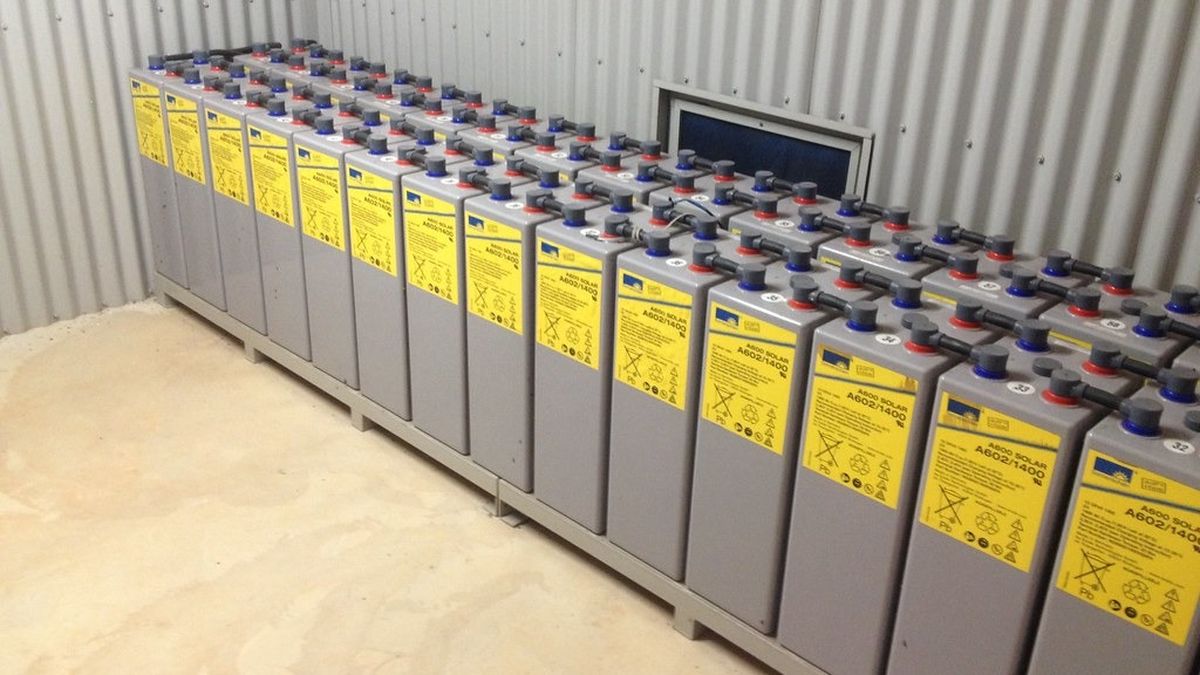
How to Choose Solar Batteries: LiFePO4, AGM and Server-Rack Packs
Chemistry, usable capacity, BMS features and lifetime cost per kWh: a practical framework for choosing the battery your system depends on.
Read more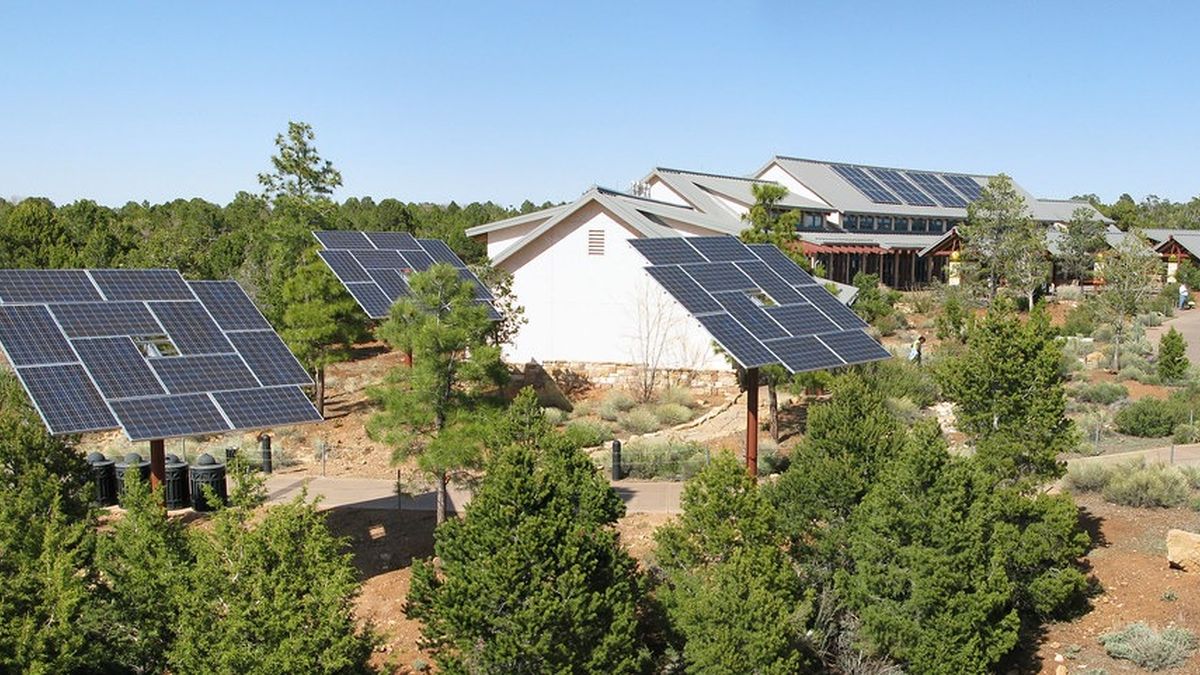
How to Choose an Inverter for Solar and Battery Systems
Continuous and surge ratings, inverter-chargers, idle draw and 240V output: everything that separates a good inverter choice from an expensive mistake.
Read more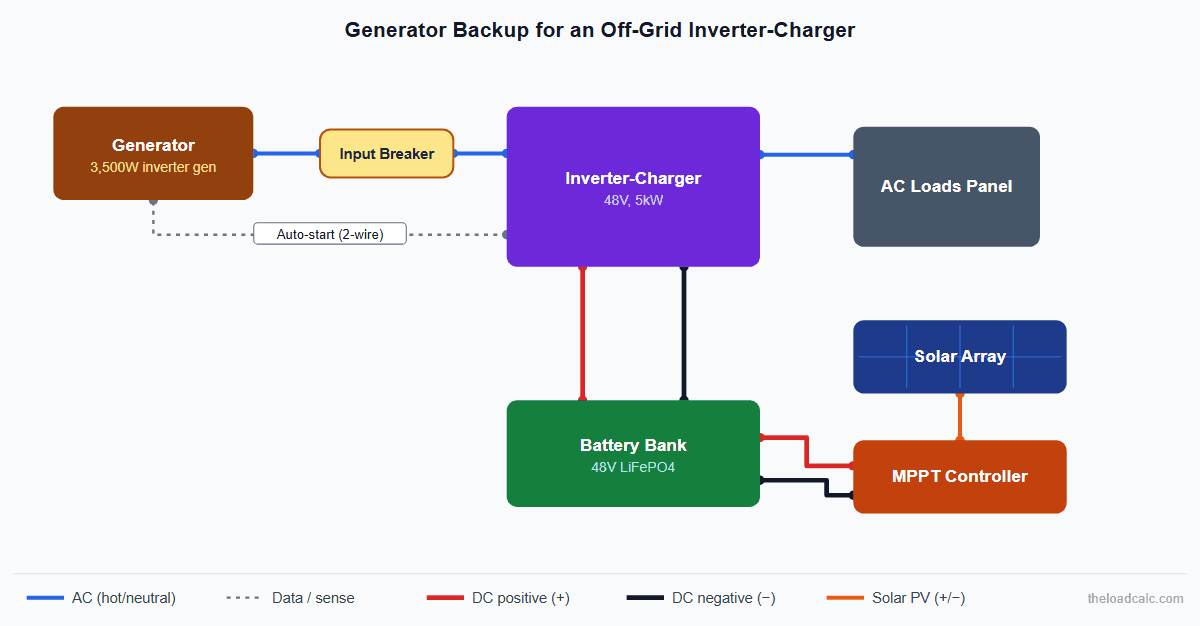
Generator Backup Wiring for an Off-Grid Inverter-Charger
Add a generator to an off-grid system so it recharges the batteries automatically during long cloudy spells.
Read more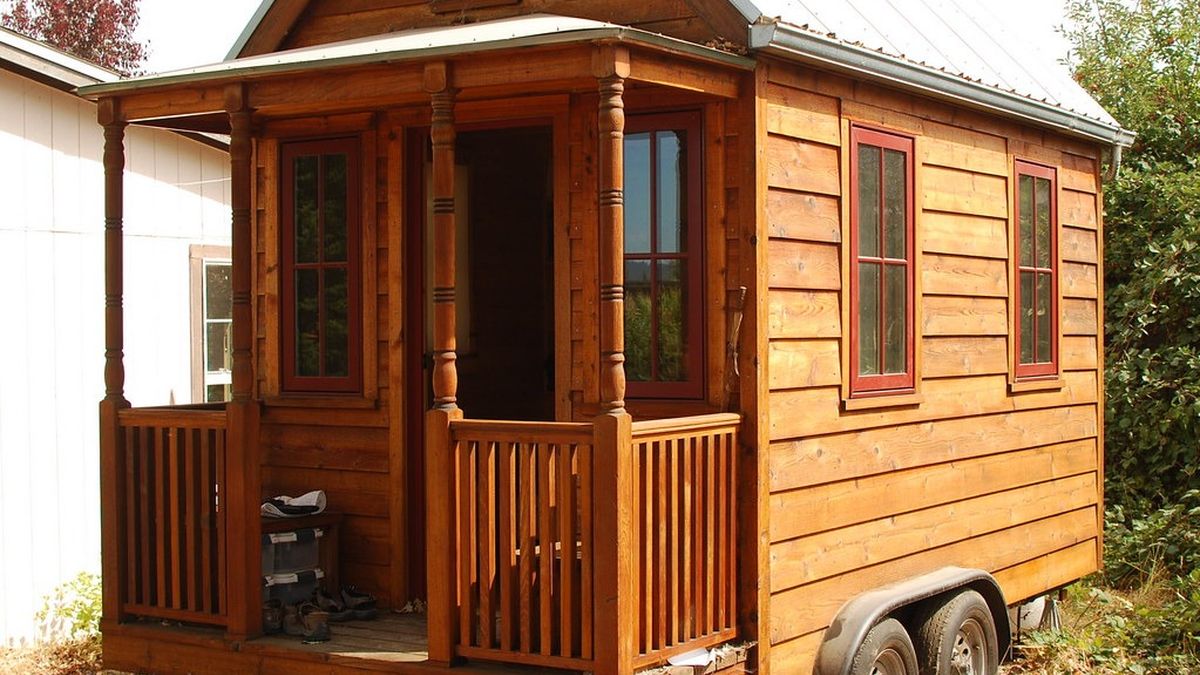
Tiny House Solar System Sizing: A Complete Worked Example
We size a full off-grid system for a typical tiny house, from the appliance list to the battery bank, so you can repeat the process with your own numbers.
Read more