
Solar Water Pumping for Wells, Livestock and Irrigation
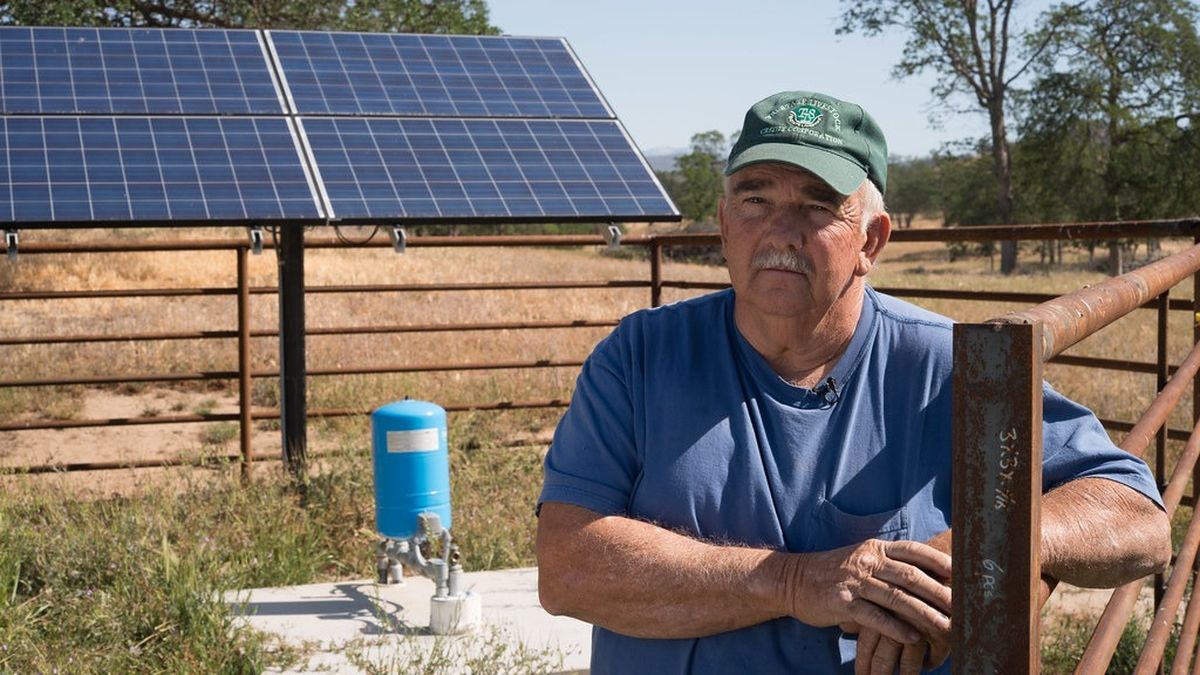
Pumping water is one of solar's best applications. Water is needed most when the sun is strongest, and a storage tank is a cheaper, longer-lasting "battery" than any lithium pack. Solar pumps supply homesteads, livestock, gardens and irrigation around the world. Here is how they work and how to size one.
Key takeaways
- Solar-direct systems pump during daylight and store water, not electricity.
- Size from total dynamic head and daily water requirement, using the pump maker's curves.
- Tank storage of 2-3 days covers cloudy weather.
- MPPT pump controllers, float switches and dry-run protection make systems automatic.
How a solar pump system works
Panels feed a pump controller, which optimizes power (MPPT), soft-starts the pump and protects it. The pump lifts water to a storage tank, and gravity or a small pressure pump delivers it. A float switch stops pumping when the tank is full. The solar water pump wiring diagram shows each connection.
Step 1: daily water requirement
| Use | Typical daily need |
|---|---|
| Household (per person) | 50-100 gallons (190-380 L) |
| Beef cattle (per head) | 10-20+ gallons (40-75+ L), more in heat |
| Horse | 8-12 gallons (30-45 L) |
| Sheep / goats | 1-3 gallons (4-11 L) |
| Garden drip irrigation | Depends on area and climate |
Plan for the hottest month, when needs peak.
Step 2: total dynamic head
Total dynamic head (TDH) is the vertical lift from the water level in the well to the top of the tank, plus pipe friction, plus any pressure needed at the outlet. A pump that moves plenty of water at 50 feet of head may move very little at 300 feet.
Hydraulic power (W) ≈ flow (L/s) × head (m) × 9.81, then divide by pump efficiency (often 40-70% for small solar pumps).
Step 3: pump and array
Manufacturers publish curves showing daily flow at a given head for a given array size and sun level. Pick the pump whose curve meets your daily need at your head in the worst month, and use the recommended array, often 1.2-1.5× the pump's power so it starts earlier and runs later. Check sun hours with the solar irradiance by city calculator.
Low-yield wells need a pump sized to the well's recovery rate, with dry-run protection that pauses the pump when water runs low.
Battery or solar-direct?
| Solar-direct + tank | Battery system | |
|---|---|---|
| Cost | Lower | Higher |
| Maintenance | Minimal | Battery replacement over time |
| Night pumping | No, use tank storage | Yes |
| Best for | Livestock, irrigation, gravity-fed homes | Pressure on demand at night |
For homes with a conventional 240V well pump on backup power, see running a well pump during an outage. For mounting arrays at a remote well, see the ground-mount installation guide, and for remote properties generally, the off-grid cabin guide.
Frequently asked questions
How many solar panels do I need to run a water pump?
It depends on head and daily flow. Small homestead DC pumps run on 300-1,500W of panels; check the pump maker's sizing chart.
Can a solar pump work without batteries?
Yes. Most solar pumps are solar-direct, running in daylight and filling a storage tank.
How big should my water storage tank be?
Two to three days of water use is a common target to cover cloudy weather.
Estimate solar output at your site
Find your sun hours and daily array production.
Related guides and diagrams
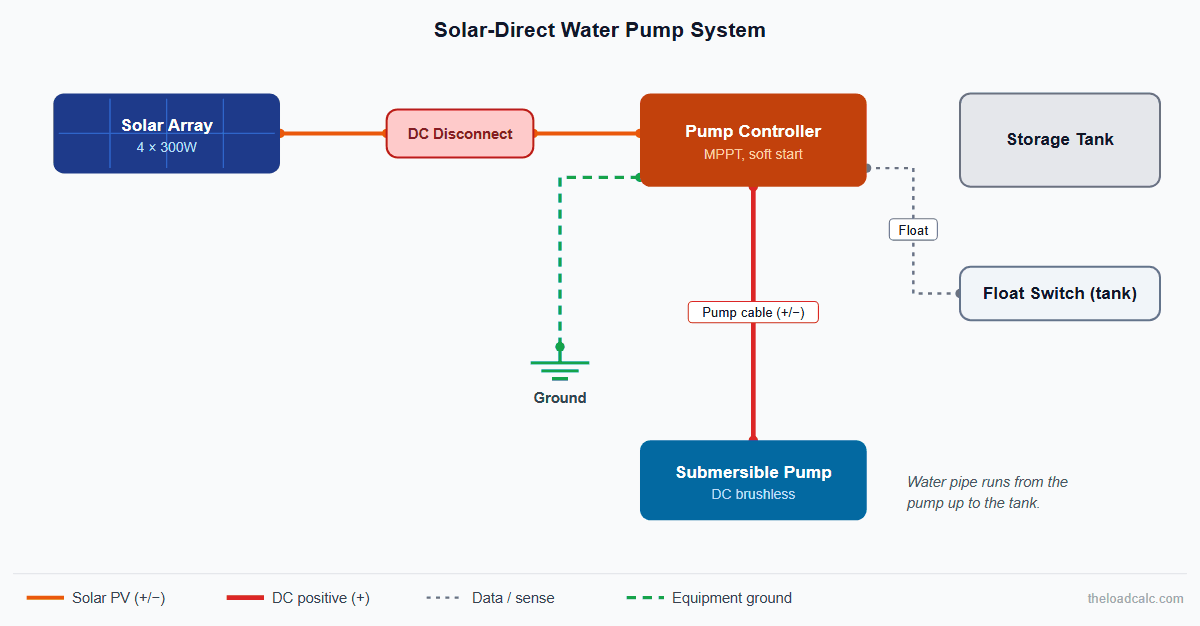
Solar-Direct Water Pump Wiring Diagram
Array, controller, pump and float switch: a battery-free system that pumps whenever the sun shines and stops when the tank is full.
Read more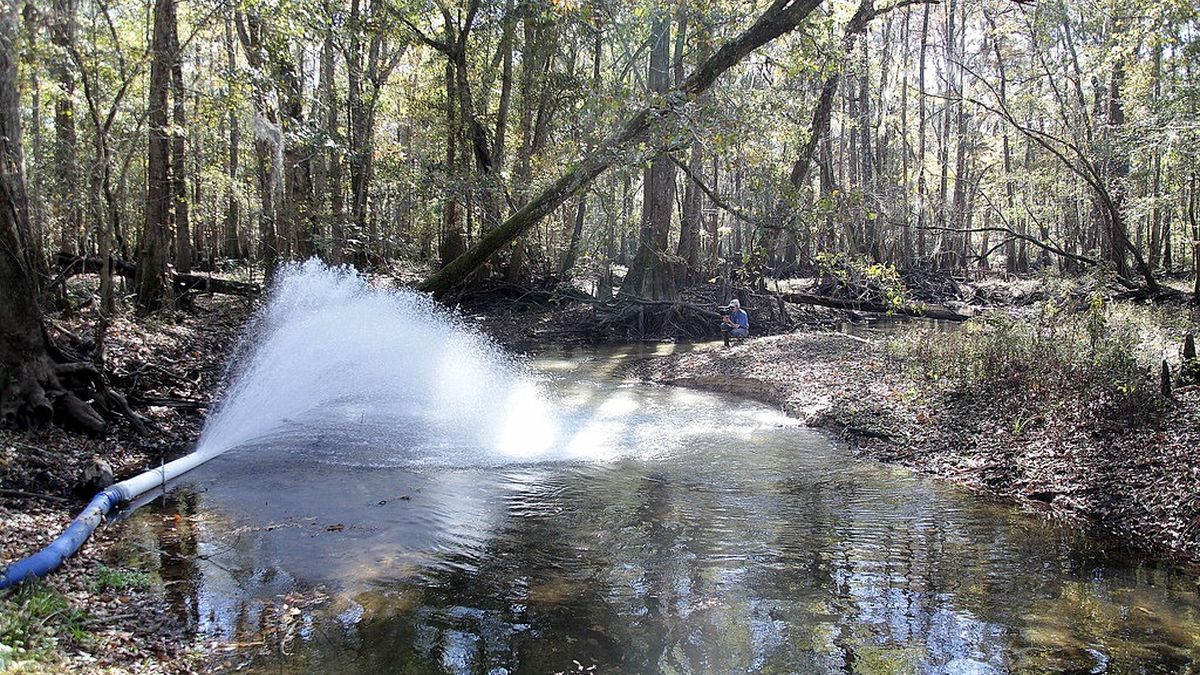
How to Run a Well Pump During a Power Outage
No power means no water on a private well. A well pump uses little energy but a lot of startup current, and that changes what kind of backup you need.
Read more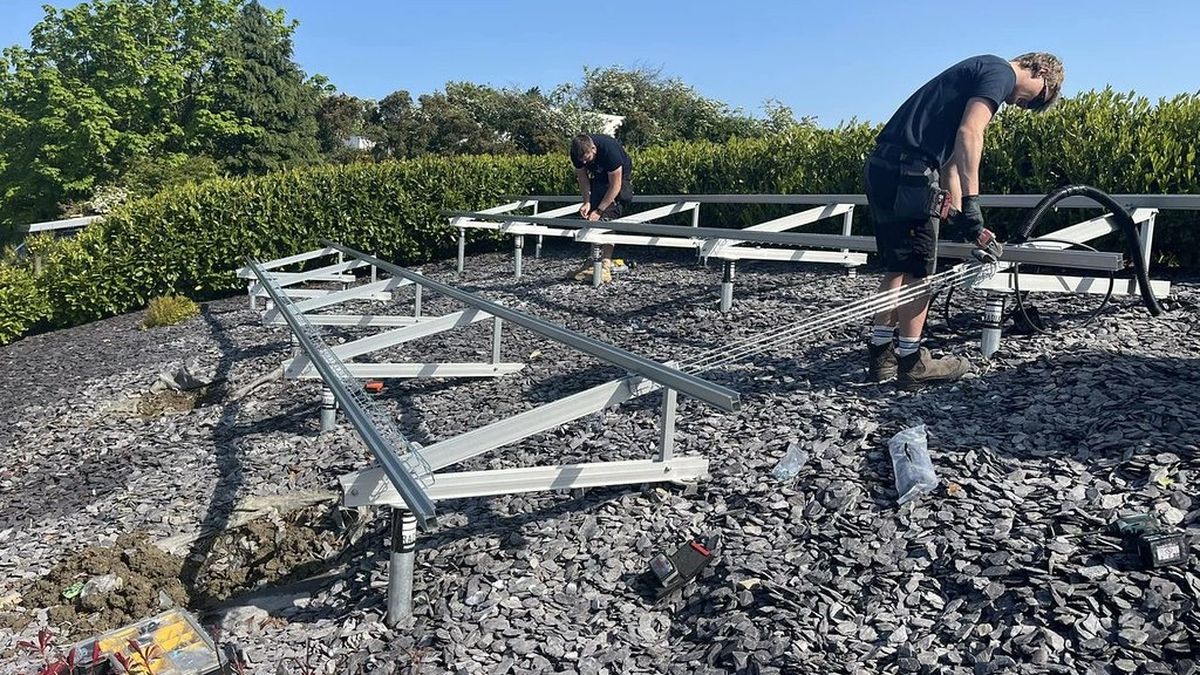
How to Install a Ground-Mount Solar Array
Siting, foundations, racking, trenching and grounding: how to build a ground mount that survives wind, snow and decades of sun.
Read more
Off-Grid Cabin Solar: Weekend and Full-Time Systems
Weekend retreat or full-time home in the woods: how to size, protect and leave a cabin solar system unattended through the seasons.
Read more