
Solar Power for Beginners: How an Off-Grid System Works
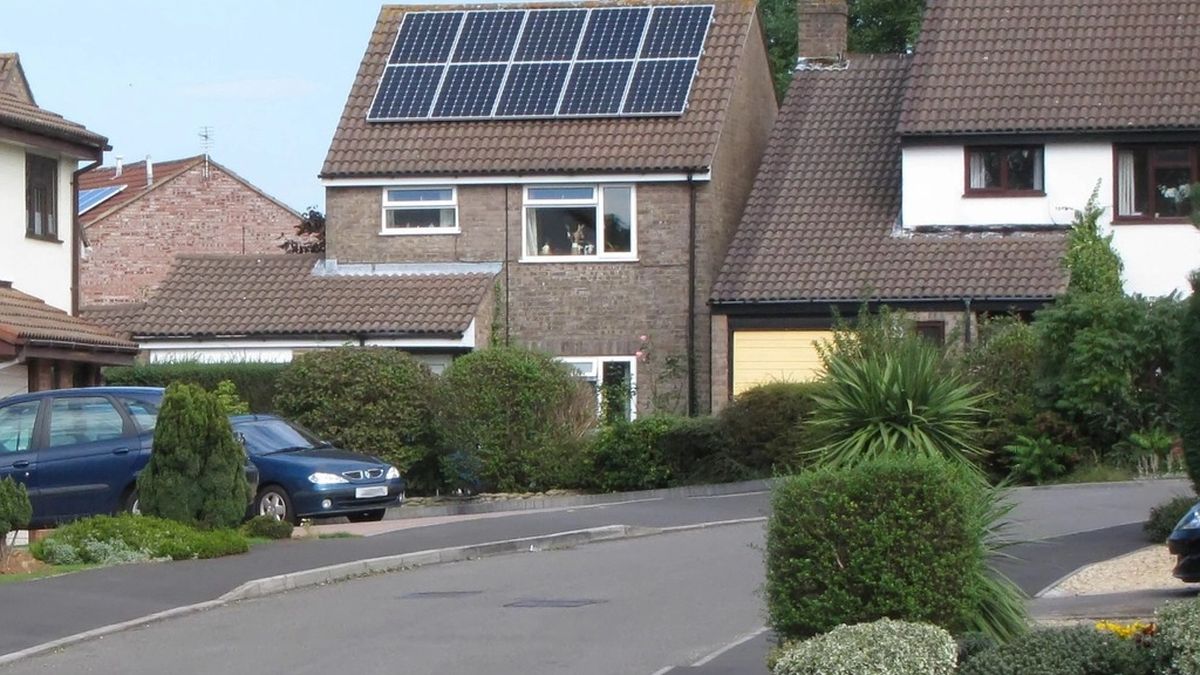
Solar power can feel like a wall of jargon: Voc, MPPT, LiFePO4, pure sine. Underneath, every solar system does the same four things: collect energy, control charging, store energy and convert it into the kind of power your devices use. This guide explains each part in plain English and shows how they fit together, so you can plan a first system with confidence.
Key takeaways
- Panels make DC power, a charge controller regulates it, batteries store it, and an inverter turns it into AC.
- Watts measure power right now; watt-hours measure energy over time. Size systems in watt-hours.
- Real panels produce about 75% of their label rating in good sun.
- Start with your daily energy use. Every other number follows from it.
The four building blocks
| Component | What it does | Key spec |
|---|---|---|
| Solar panels | Turn sunlight into DC electricity | Watts (W), voltage (Vmp, Voc) |
| Charge controller | Regulates charging so the battery is not damaged | Amps, max PV voltage, MPPT or PWM |
| Battery | Stores energy for night and cloudy days | Watt-hours or amp-hours, chemistry |
| Inverter | Converts battery DC into household AC | Continuous and surge watts |
In a portable power station, the controller, battery and inverter are built into one box, so you only add panels. In a DIY system, you choose and wire each part, as shown in our basic off-grid wiring diagram.
Watts vs watt-hours: the one concept to master
Watts (W) describe how fast power is used: a 60W laptop draws 60 watts while running. Watt-hours (Wh) describe how much energy is used over time: that laptop running 5 hours uses 300Wh. Batteries are rated in Wh (or Ah), and solar production is measured in Wh per day. Read watts vs watt-hours explained if this is new.
Daily energy (Wh) = device watts × hours used per day, added up for everything you want to run.
The three types of solar system
- Grid-tie: panels feed your home and export surplus to the grid. Lowest cost per watt, but no power in an outage.
- Off-grid: panels and batteries supply everything. Full independence, but you must size for winter.
- Hybrid: grid-tied with batteries for backup and self-consumption.
Compare them in detail in grid-tie vs off-grid vs hybrid.
The five numbers to know before you buy
- Daily energy use (Wh/day). Use the daily energy use calculator.
- Peak load (W). The most power running at once, including motor startup. See surge vs running watts.
- Days of autonomy. How long the battery must last without sun.
- Peak sun hours for your location and worst season. Try the solar irradiance by city calculator.
- System voltage: 12V, 24V or 48V, chosen by system size. See 12V vs 24V vs 48V.
With those five numbers, sizing is straightforward. Our step-by-step sizing guide walks through it.
Why panels make less than their rating
A 100W panel is rated in a lab at 25°C cell temperature and perfect sunlight. Outdoors, heat, sun angle, dust and wiring losses mean you typically see 70-85W at midday. For sizing, multiply panel watts × peak sun hours × 0.75. Details in why solar panels produce less than rated.
Where to go next
Not sure whether to build or buy? A portable power station with folding panels is the easiest start. See best portable power stations. Ready to build? Choose your battery, inverter and charge controller, then plan the wiring with our cable and fuse guides.
Frequently asked questions
Can solar panels charge a battery directly?
Not safely for long. A charge controller is needed to prevent overcharging and, with MPPT, to get the most power from the panel.
Do solar panels work on cloudy days?
Yes, at reduced output, often 10-25% of their clear-day production depending on cloud thickness.
What is the easiest way to start with solar?
A portable power station with one or two folding panels. Everything is built in, and you learn your real energy use before investing in a larger system.
Start with your numbers
Find your daily energy use and the system that fits it.
Related guides and diagrams
How to Size an Off-Grid Solar System: Step-by-Step
Six steps from your appliance list to a complete component list, with the formulas and a worked example you can copy.
Read more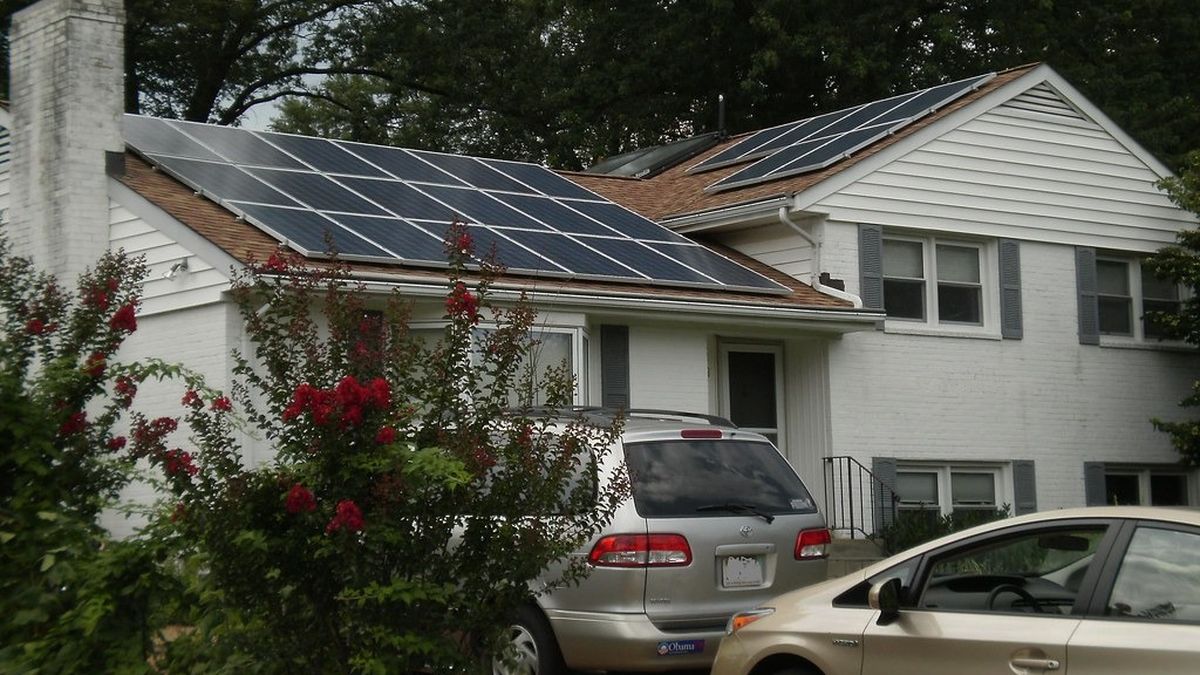
Grid-Tie vs Off-Grid vs Hybrid Solar: Which System Is Right for You?
The three ways to use solar at home, compared on cost, outage protection and complexity, so you can pick the right architecture.
Read moreBasic Off-Grid Solar Wiring Diagram
A complete wiring diagram for a basic off-grid solar system: panels, charge controller, battery, inverter and fuses.
Read more
Watts vs Watt-Hours: The Difference That Decides What You Can Run
Every power station lists two numbers that people mix up. Once you know the difference between watts and watt-hours, sizing a battery takes one line of math.
Read more